









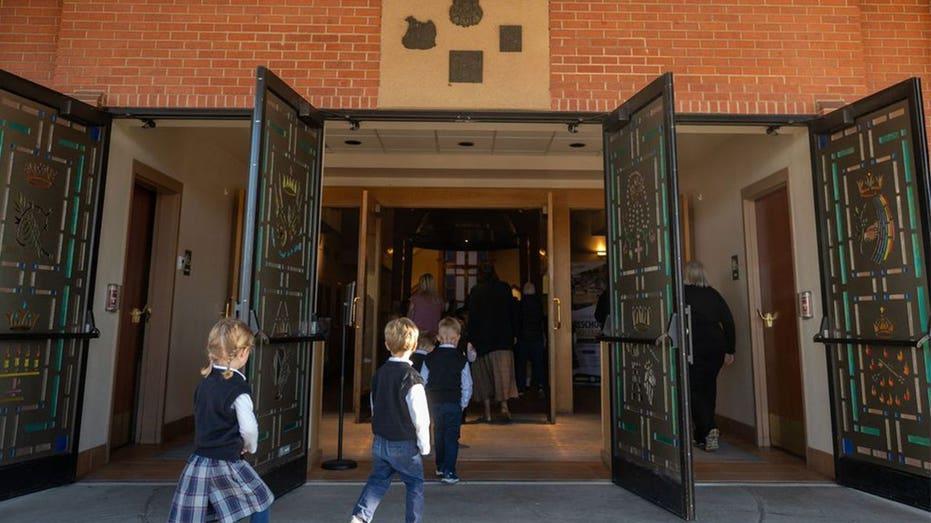
The Supreme Court’s conservative majority signaled strong support for Catholic preschools challenging Colorado’s taxpayer-funded Universal Preschool Program, which they argue unconstitutionally excludes them by requiring adherence to anti-discrimination laws that conflict with their religious tenets. The core of the dispute centers on whether private educational institutions that deny admission to children of LGBTQ+ parents can be denied a generally applicable public benefit, a question that pits religious liberty against the state’s interest in ensuring equal opportunity. During a vigorous oral argument, justices debated the competing interests, with some, like Justice Sonia Sotomayor, questioning the plaintiffs’ demand for public subsidy while explicitly excluding certain families, while others, like Justice Brett Kavanaugh, suggested the state’s motive to enforce conformity is constitutionally impermissible and that a win-win solution respecting both religious freedom and LGBTQ+ rights should be attainable. Colorado’s 2020 ballot measure established the Universal Preschool Program, distributing public funds with the stipulation that participating schools must provide equal enrollment opportunities regardless of various protected characteristics, including sexual orientation and gender identity. Two Catholic parishes sued, asserting that this policy targets their sincerely held beliefs about same-sex marriage and gender identity, and that requiring them to admit students from families who do not support Catholic ideology violates their First Amendment rights. The state maintains its conditions are neutral and generally applied, and that religious schools are free to participate as long as they abide by the same nondiscrimination laws as secular institutions. The Supreme Court’s decision could potentially narrow a 36-year-old precedent that religious practices do not create exemptions from broadly applicable laws, with the current conservative bench increasingly favoring ‘free exercise’ claims. This case follows previous rulings where the court has sided with religious individuals and institutions challenging state anti-discrimination policies, raising concerns among some justices, like Chief Justice John Roberts, about whether the Colorado law, unlike previous cases, explicitly discriminates against religious schools. The plaintiffs argue that the state’s policy is having severe consequences, leading to decreased enrollment and the closure of schools, while the state counters that numerous religious entities continue to participate in the program under the same conditions as all other providers.
Adapted from: Latest Political News on Fox News