










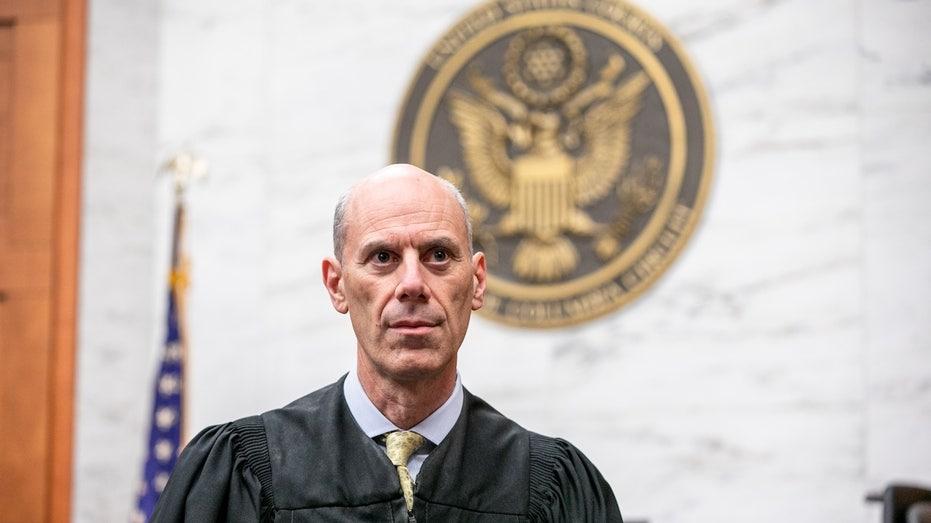
Federal Judge James Boasberg, a frequent target of President Trump’s ire and labeled a “Radical left lunatic,” is presiding over a series of critical cases challenging Trump administration actions, including the effort to unseal the search warrant for Rep. Ilhan Omar’s home, igniting widespread debate about the randomness of judicial assignments. While D.C. federal court rules stipulate cases are assigned electronically and randomly by the clerk’s office under a judge-led committee, exceptions exist, notably for criminal grand jury matters which fall under the chief judge’s purview—currently Boasberg. This exception, coupled with Boasberg’s docket featuring numerous high-profile challenges against the Trump administration, such as California’s lawsuit over voter rolls and a case concerning the preservation of Signal messages after discussions of a Yemen strike, has led to concerns about potential bias and a lack of transparency. Lawmakers like Reps. Jim Jordan, Darrell Issa, and Chip Roy have formally questioned the court clerk about the assignment process, citing the secrecy surrounding “assignment decks” and advocating for legislative clarity. Senator Eric Schmitt has even proposed the “Boasberg Act” to mandate strictly random case assignments without exceptions, aiming to restore public confidence in judicial impartiality. Legal experts like Iowa’s solicitor general, Eric Wessan, suggest that while the random assignment system is the rule, the frequency and nature of exceptions, particularly in politically charged cases, warrant greater transparency to ensure the integrity of the judicial process.
Adapted from: Latest Political News on Fox News