










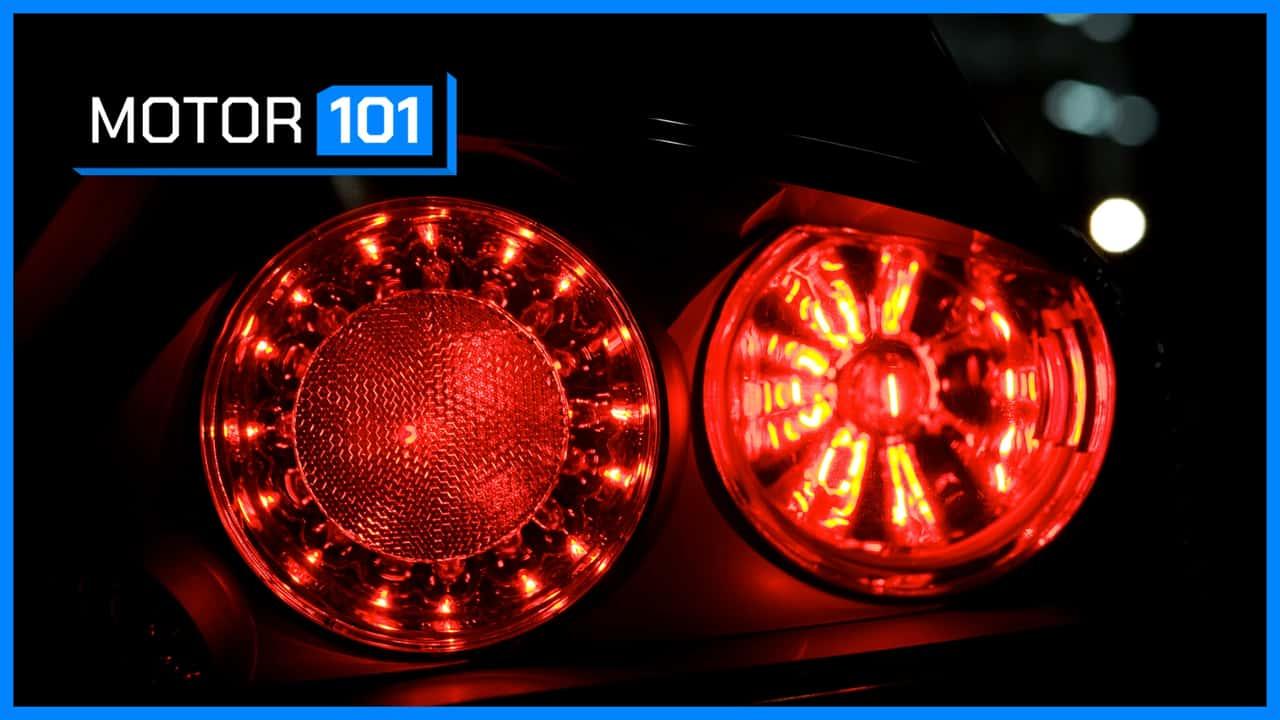
While the universally recognized red of brake lights signals a crucial deceleration, the ambiguity surrounding turn signal colors in the United States, where automakers can opt for amber or red, presents a fascinating safety paradox. This regulatory flexibility, stemming from historical interpretations and a lack of definitive federal mandates until more recently, allows manufacturers to choose between amber and red for rear turn signals. The intent behind differentiating brake lights from turn signals is paramount for driver comprehension; red universally signifies stopping, preventing confusion and potential collisions. However, the allowance for red turn signals, while less common than amber, creates a scenario where a driver might misinterpret a flashing red light as a brake light, especially under duress or poor visibility. The Federal Motor Vehicle Safety Standards (FMVSS) have evolved, with newer regulations leaning towards mandating amber for rear turn signals to enhance clarity, but older vehicles and certain manufacturers may still adhere to the older, more flexible standards. This divergence in signal color, though seemingly minor, highlights the ongoing challenge of standardizing automotive safety features to ensure immediate and unambiguous communication between vehicles on the road, ultimately impacting driver reaction times and accident prevention.
Adapted from: Motor1.com - Articles