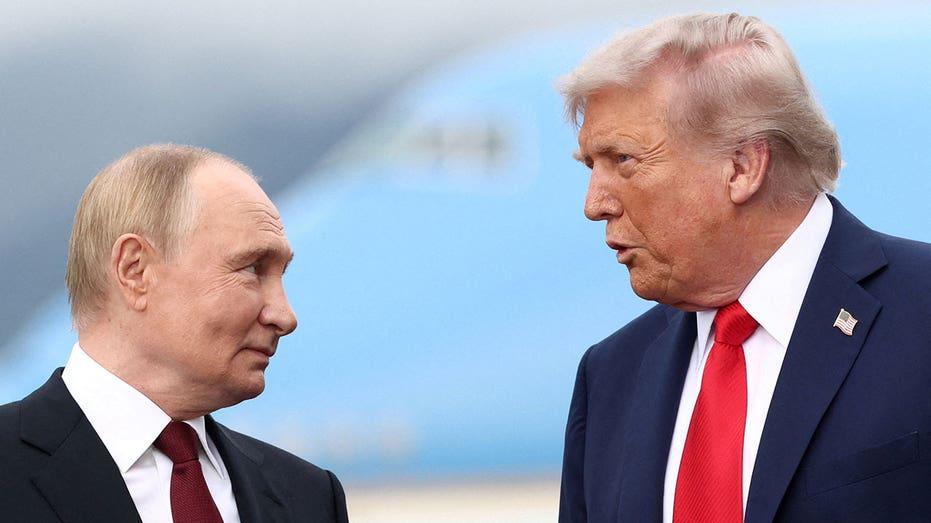









President Donald Trump convened with Qatar’s Prime Minister Sheikh Mohammed bin Abdulrahman Al-Thani at the White House, a meeting underscoring ongoing diplomatic maneuvers to de-escalate the conflict with Iran, even as Secretary of State Marco Rubio warns of significant hurdles to any breakthrough and Tehran signals a conditional willingness to negotiate. These mixed messages arrive while the critical Strait of Hormuz remains a focal point for global economic instability, prompting regional powers to advocate for diplomatic resolutions to a conflict that has subjected Gulf nations to a barrage of Iranian missile and drone attacks. Rubio candidly stated that negotiations are far from concluding and deemed Tehran’s proposals unrealistic, while Iranian President Masoud Pezeshkian expressed readiness for dialogue, emphasizing negotiation with dignity and adherence to directives from Supreme Leader Mojtaba Khamenei to end the protracted ‘neither war nor peace’ state, provided Iran does not capitulate to coercion. Trump, meanwhile, indicated a preference against further escalation, asserting no immediate need to intensify the war as long as the Strait of Hormuz remains accessible. Mediators have reportedly discussed a potential two-day proposal involving the U.S. lifting its naval blockade and releasing frozen Iranian funds in exchange for Iran’s commitment to renewed nuclear inspections and reopening the Strait of Hormuz, though Washington has not accepted this framework due to persistent disagreements. The tangible consequences of this diplomatic impasse are starkly evident in the Strait of Hormuz, a vital shipping corridor whose disruption has severely impacted global trade, with tanker attacks accelerating in October and November, and an incident of a tanker reportedly striking a mine east of the strait on Sunday. Despite claims of routes being cleared by U.S. forces, experts like Amos Hochstein argue that the necessity of heavy U.S. military presence to ensure tanker passage signifies that normal navigation has not been restored, leading to elevated insurance premiums and continued burdens on the global economy. This situation has also spurred the UAE to accelerate efforts in reducing its reliance on the Strait of Hormuz, investing in alternative routes like the pipeline to Fujairah and significantly increasing its oil exports, demonstrating a strategic pivot towards resilience and redundancy in energy infrastructure amidst escalating geopolitical tensions and economic vulnerabilities.
Adapted from: Latest World News on Fox News