









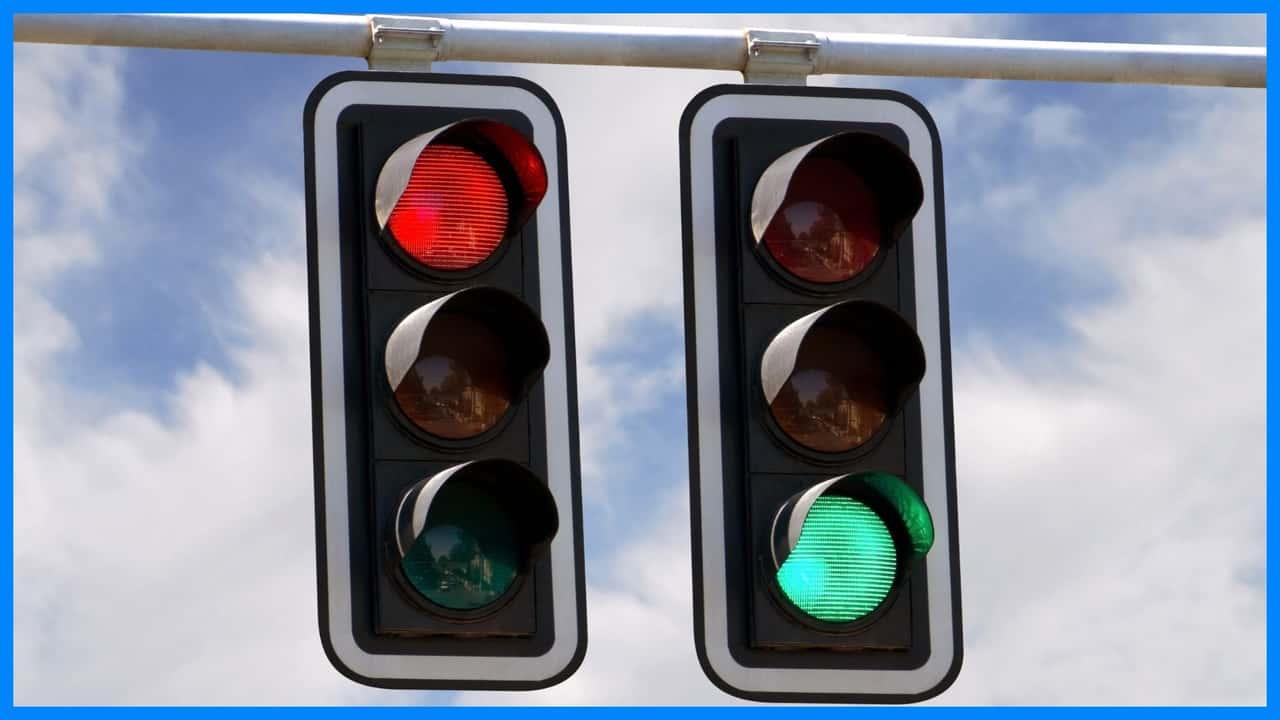
Ever wondered how traffic lights seem to magically know when you’re waiting, even when no one else is around? It’s not magic, but rather sophisticated technology embedded right into the road. Many modern traffic light systems are equipped with sensors designed to detect the presence of vehicles. These sensors can take various forms, with inductive loops being one of the most common. These are essentially wires buried in the pavement just before the stop line. When a metal vehicle passes over or stops on these loops, it creates a change in the loop’s magnetic field, signaling the traffic light controller that a car is present. This allows the light to adjust its timing dynamically, extending green lights on busy routes or turning red lights green sooner when a car is detected on a side street. Beyond inductive loops, some intersections utilize optical sensors, such as cameras or infrared detectors, mounted on poles. These systems use advanced algorithms to ‘see’ vehicles, count them, and even differentiate between cars, buses, and bicycles, enabling even more precise traffic management. This intelligent detection system is what prevents unnecessary waiting times and helps optimize traffic flow, ensuring that lights change based on real-time demand rather than a fixed, inflexible schedule.
Adapted from: Motor1.com - Articles