








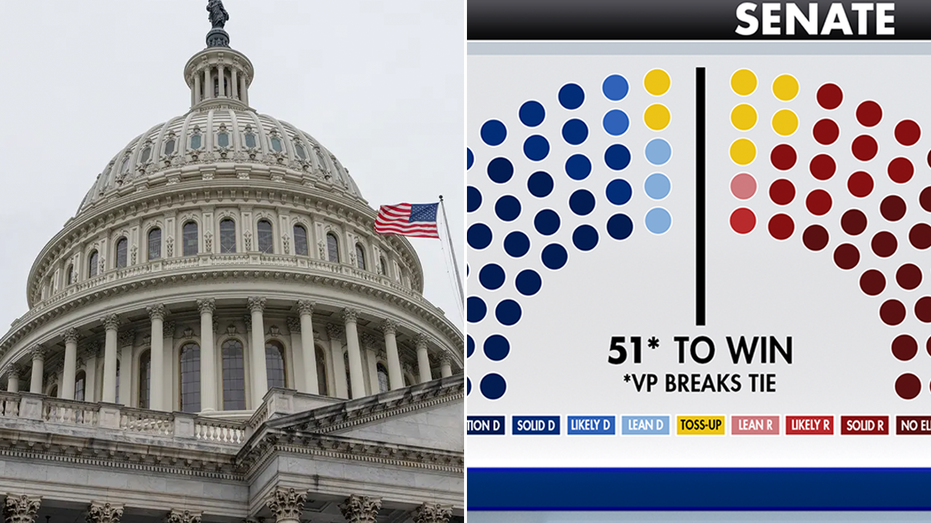
While sports like soccer, hockey, and baseball have established overtime and shootout mechanisms to resolve ties, the U.S. Senate faces a potential constitutional quandary if an election results in a 50-50 split, a scenario with no inherent tiebreaker beyond the Vice President’s vote. Unlike sports, the Senate’s foundational rules, established by the Founders, do not prescribe a method for determining majority control in a deadlocked chamber, leaving the possibility of prolonged legislative paralysis. Historical precedents, such as the 50-50 ties following the 2000 and 2020 elections, were eventually resolved through complex power-sharing agreements brokered between party leaders, requiring ratification by the full Senate. These agreements, notably the one forged by then-Majority Leader Trent Lott and Minority Leader Tom Daschle in 2000, and later mirrored by Mitch McConnell in 2021, essentially created a bipartisan pact to govern the chamber’s operations, including committee chairmanships and representation. However, the success of such agreements hinges entirely on the political will of senators to cooperate, a factor that could be severely tested in highly contentious election aftermaths, potentially leading to a prolonged stalemate where even the Vice President’s tie-breaking vote might not suffice to overcome procedural hurdles like filibusters, and the chamber’s leadership roles could become a point of contention, impacting the Vice President’s own political future.
Adapted from: Latest Political News on Fox News