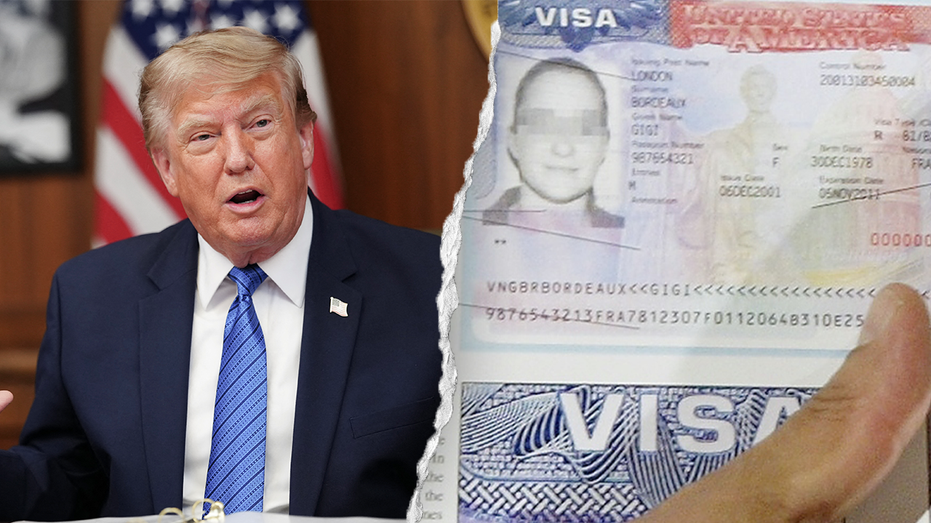










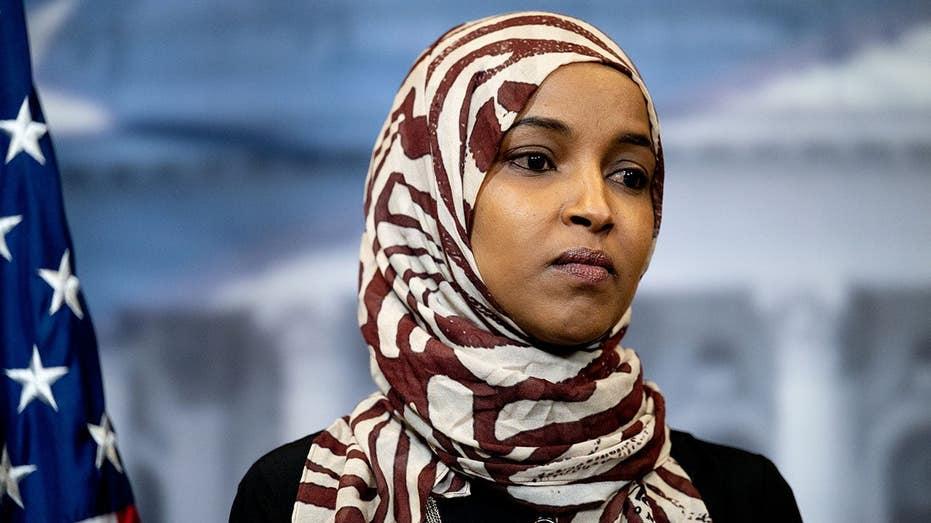
President Trump’s assertion that Representative Ilhan Omar is unqualified to serve in Congress due to questions surrounding her legal name and potential immigration fraud faces significant constitutional and procedural hurdles, making her removal a far more complex endeavor than a simple expulsion vote. While Trump has publicly accused Omar of using a fake name and suggested she is not in the country legally, federal filings acknowledge her name as ‘Ilhan Nur Said Elmi, a/k/a Ilhan Abdullahi Omar,’ and the Clerk of the House officially lists her as ‘Ilhan Omar’ on numerous disclosure reports, a designation also used by the Minnesota state legislature prior to her congressional tenure. The Constitution, in Article I, Section 5, grants each house of Congress the final authority on seating its members, but this power is not absolute; the Supreme Court’s ruling in *Powell v. McCormack* established that the House cannot exclude a member who meets the basic constitutional qualifications: being at least 25 years old, a U.S. citizen, and a resident of the state they represent. Expulsion, requiring a two-thirds vote, is an even higher bar, historically reserved for extraordinary circumstances, with only six members expelled in the House’s history, most recently George Santos in 2023. While Republicans could theoretically move not to seat Omar or other members-elect after the House convenes and elects a Speaker, before all members are sworn in, precedent like the 1985 case of Rep. Frank McCloskey, who was not sworn in for months while his election was investigated, suggests a delay rather than outright exclusion, especially given the *Powell* decision. The ‘Speech or Debate Clause’ in Article I, Section 6 also provides a legislative privilege that could shield Omar’s official communications and documents from executive branch inquiry, further complicating any DOJ investigation’s impact on her congressional standing. Ultimately, while her name and alleged immigration issues may fuel political debate, the constitutional framework and historical precedent make removing Omar from Congress an exceptionally difficult proposition, likely requiring ironclad proof of wrongdoing and a significant bipartisan consensus that currently appears unlikely.
Adapted from: Latest Political News on Fox News