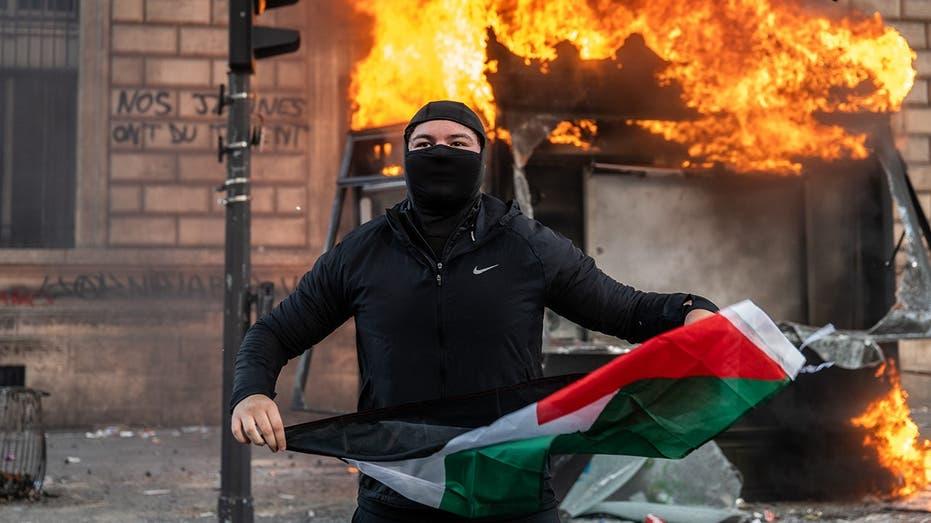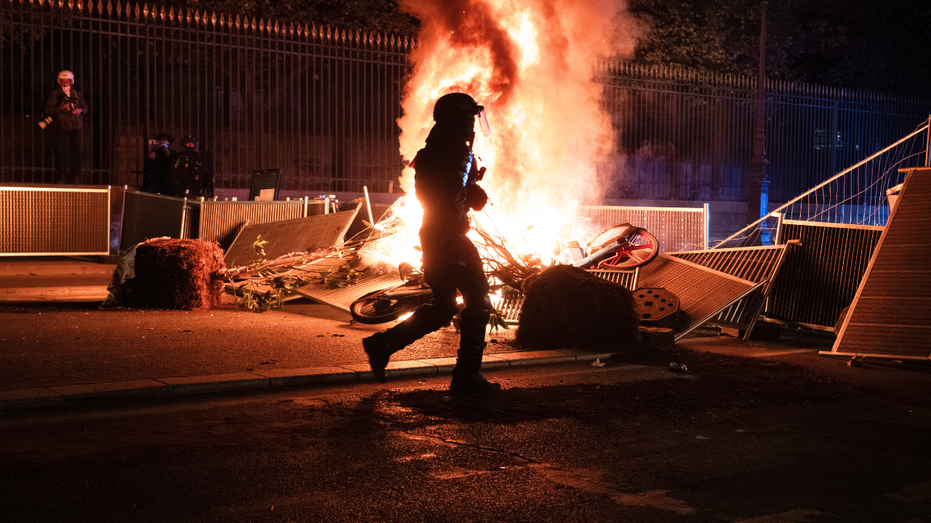









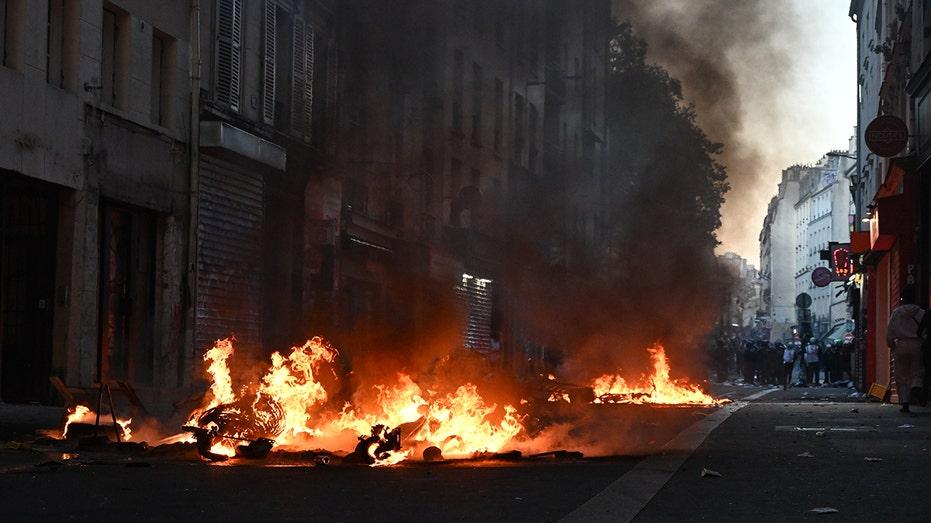
Paris is once again ablaze, but this time the scale of violence and destruction is profoundly different, sparking fears of lasting domestic strife with global implications. Decades of covering protests in France reveal this current upheaval to be more violent, more destructive, and more profound than anything seen before, with a local brasserie server chillingly asking a reporter if he was there to cover a ‘civil war.’ The numbers paint a stark picture: 2,500 arrests in a single weekend, around 1,000 police officers injured, thousands of businesses damaged or looted, and over a billion dollars in estimated damages. The attacks extended to official buildings, including a historic city hall and police headquarters, symbolizing a government under siege. While initial protests may have stemmed from student concerns and economic grievances, they were visibly hijacked by anarchists and opportunistic looters, though the presence of immigrants and far-left groups is noted, the core of the uprising remains distinctly French. This unrest is amplified by nearly a decade of President Macron’s rule, which has left the nation more divided, promises unfulfilled, and anger simmering just below the surface. Authorities have admitted to losing control of parts of Paris and other cities at times, forcing shop owners to defend themselves. With presidential elections looming, political factions are capitalizing on the chaos, either sympathizing with protesters or demanding stricter law and order. Facing a strained treasury, the government’s focus has shifted to security, with Prime Minister Lecornu announcing a ‘massive police operation’ backed by the military for upcoming protests, forcing activists to choose between ‘violence’ and the ‘republic.’ This ‘do or die’ rhetoric, however, fails to address the root causes of inequality and dwindling resources that plague not only France but also the wider world, making this situation a critical, real-time lesson in navigating a volatile future.
Adapted from: Latest World News on Fox News