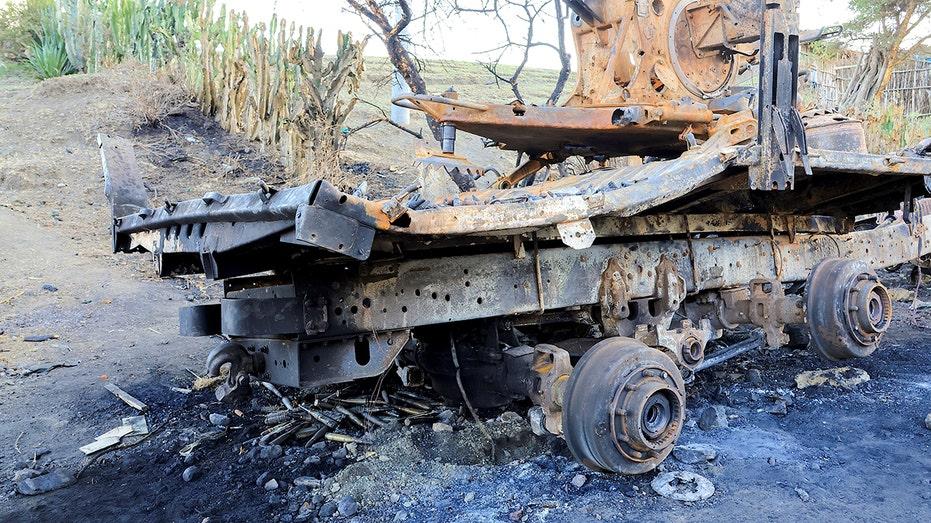










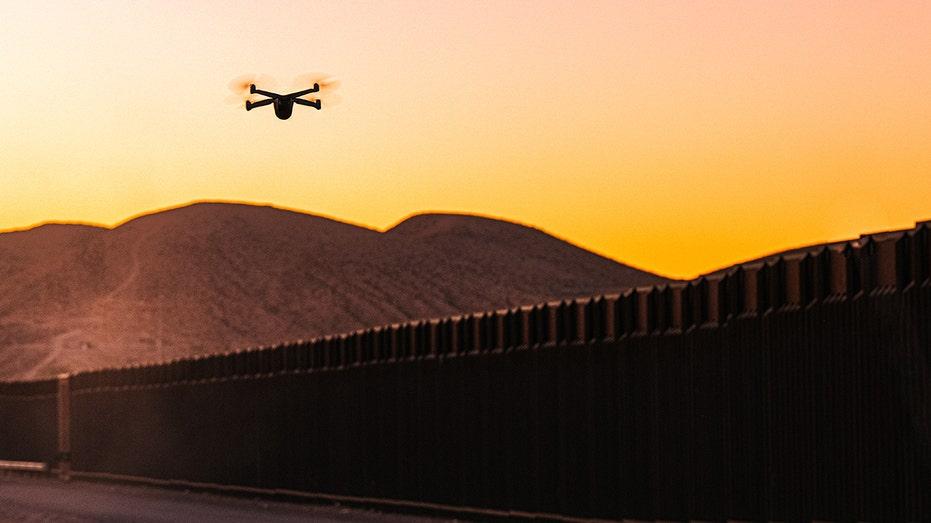
Mexican cartels are increasingly leveraging commercial and modified drones for sophisticated surveillance operations along the U.S. border, meticulously mapping patrol routes of security personnel and identifying optimal corridors for smuggling and human trafficking, a trend that has seen hundreds of incursions detected by U.S. military forces in recent months. Experts warn that these Unmanned Aircraft Systems (UAS) are evolving beyond simple reconnaissance, with cartels actively innovating to increase payload capacity, enhance resistance to countermeasures, and boost overall operational capabilities, with sophisticated agricultural drone models now emerging. While the primary use at the border remains surveillance and logistics, weaponized drone deployment, including the dropping of explosive devices, is becoming more frequent and is a significant concern, particularly with groups like the Jalisco New Generation Cartel (CJNG) identified as key drivers of this technological adoption. Recent seizures in Mexico have revealed caches of drones, explosive materials, and counter-drone devices, underscoring the cartels’ intent and capability to employ these aircraft for illicit purposes, including direct attacks on law enforcement and rival factions, with border regions serving as critical hubs for these operations. In response, U.S. Customs and Border Protection and the Department of Homeland Security are deploying layered monitoring and detection systems and have been granted counter-UAS authorities to detect, identify, monitor, and track these threats, while Mexico has intensified interdictions, deployed military forces, and enacted new federal penalties for drone-related crimes, though the full impact of these countermeasures and the precise scale of cartel drone operations remain subjects of ongoing assessment.
Adapted from: Latest World News on Fox News