









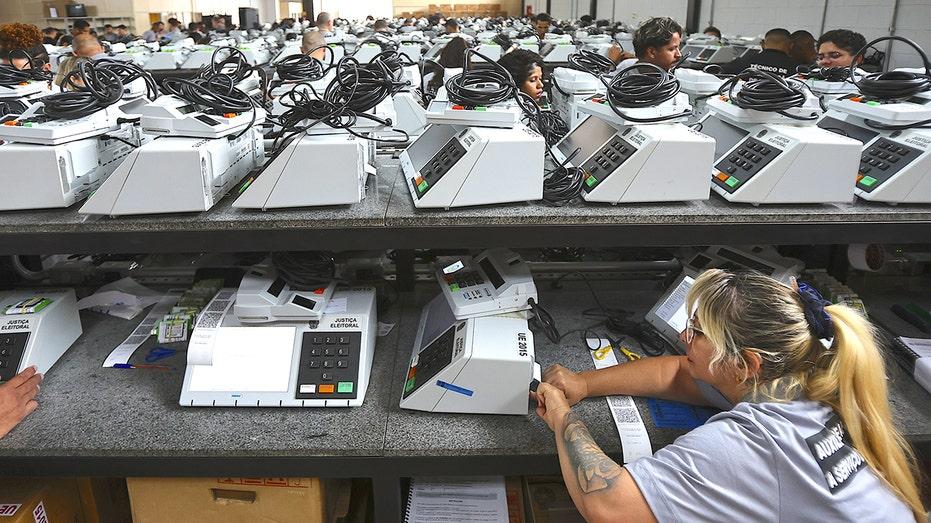
Brazil’s highly efficient electronic voting system, which delivered presidential election results in under four hours with 125 million votes tallied, is drawing international attention, particularly from the United States as its midterm elections approach. This robust system, in place for over three decades, utilizes paperless machines that are completely disconnected from the internet and undergo rigorous auditing, including public inspection of software and penetration testing by external evaluators. Voter identity is primarily verified through biometrics, with nearly 90% of Brazilians using fingerprint scans. The Superior Electoral Court (TSE) reports no proven fraud since the system’s 1996 debut, and on election day, randomly selected machines are monitored live with paper printouts posted at polling stations for public verification against the national count, each secured with a digital signature. Experts laud this combination of electronic voting, local data storage, and automated tabulation as exceptionally secure, requiring an almost impossible scale of collusion to compromise. Despite past baseless challenges to its integrity, including from former President Jair Bolsonaro, Brazil’s system is considered by many to be the most modern and secure globally, offering a stark contrast to the slower, more fragmented U.S. election process which relies on diverse state rules and a significant volume of mail-in ballots. As Brazil prepares for another election where results are anticipated within hours, its model of speed, security, and public trust in digital tabulation presents a compelling case for consideration by nations seeking to enhance their own electoral processes.
Adapted from: Latest World News on Fox News