









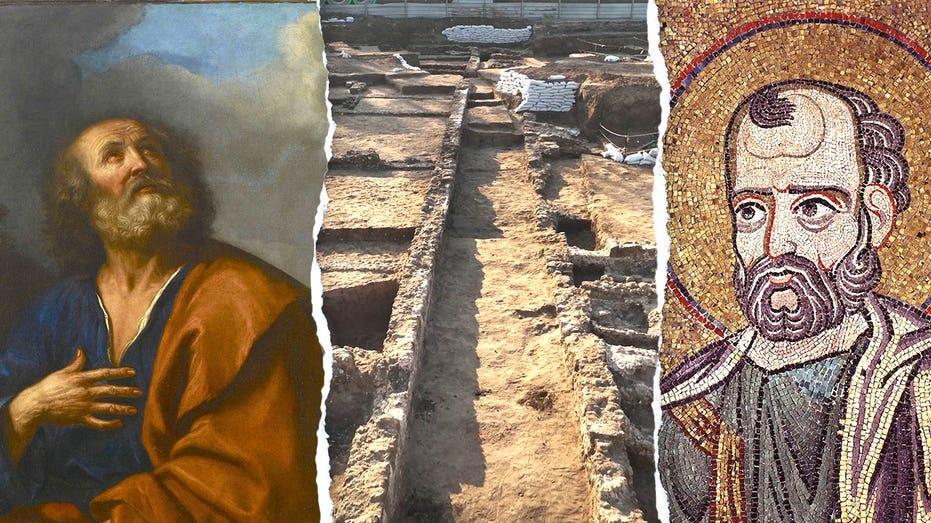
Archaeologists in Ramat Gan, Israel, have unearthed a remarkably preserved 1,300-year-old industrial and commercial complex, dating back to the Umayyad and Abbasid periods (7th-8th centuries A.D.), situated near a crucial ancient route that once connected major historic cities like Jaffa (biblical Joppa), Ramla, and Jerusalem. The expansive site, discovered ahead of construction for a new bus terminal, revealed an exceptionally organized and planned layout featuring intersecting streets lined with shops, warehouses, plastered industrial facilities, and pottery kilns, suggesting significant engineering and possibly official municipal planning or funding. Excavation directors described the findings as exceeding all expectations, highlighting that the complex, potentially on a secondary road branching from the main route, benefited from fertile agricultural land and water sources. The wealth of recovered artifacts, including numerous bronze tableware and cosmetic implements, tools, coins, and fragments of local and imported pottery and glass vessels, offers a vivid glimpse into the region’s culture, trade, and economy during a time when diverse Muslim, Christian, Jewish, and Samaritan communities coexisted, though the specific affiliation of the site’s inhabitants remains unknown. After operating for approximately 150 years before its abandonment under mysterious circumstances, the site was resettled in the 10th century with residential buildings and production facilities, including numerous baking ovens, only to be abandoned again in the late 11th century, shortly before the arrival of the Crusaders, and has remained uninhabited since, adding another layer to the rich archaeological tapestry of Israel.
Adapted from: Travel News Today on Fox News