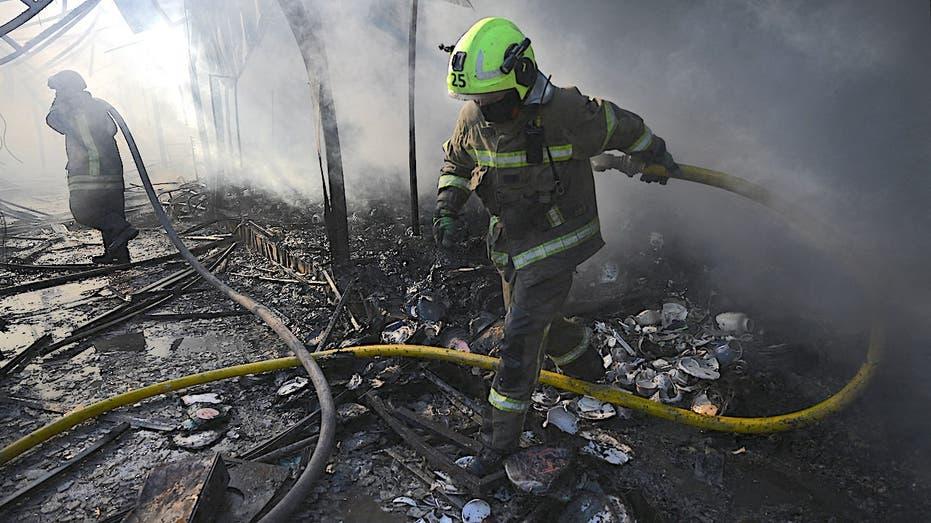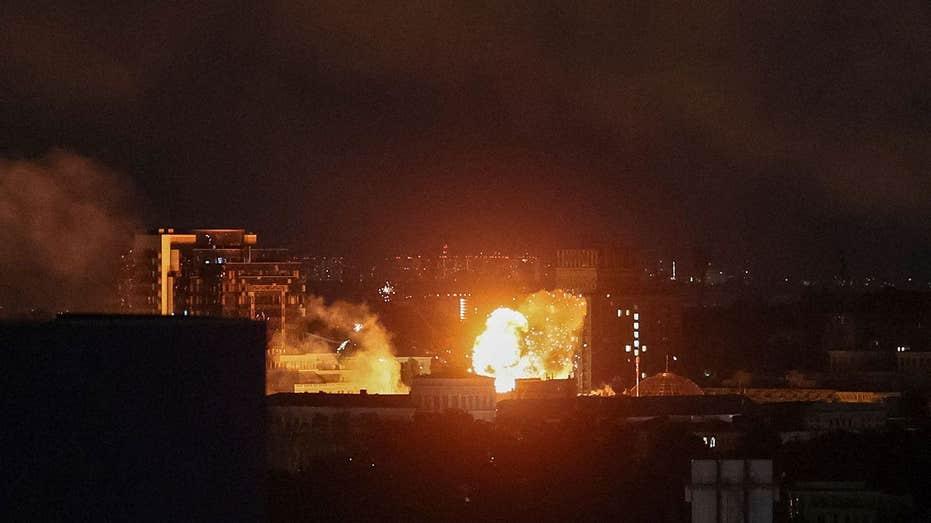








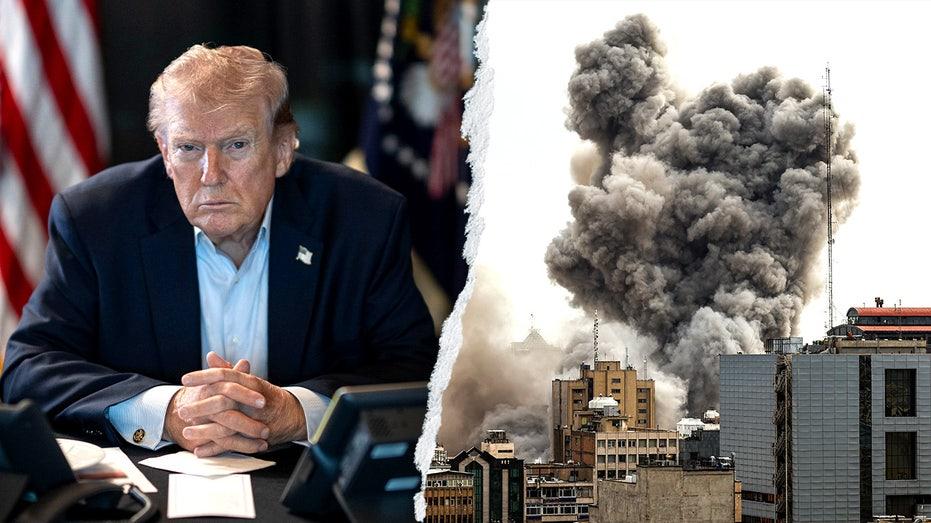
In a dramatic escalation, the United States launched retaliatory airstrikes inside Iran Wednesday night, directly responding to Tehran’s audacious attempted ballistic missile attack on American forces in the Middle East. U.S. Central Command confirmed the strikes, labeling them a ‘powerful response’ to Iran’s aggression, which shattered a brief diplomatic pause initiated by President Donald Trump. This marks the first U.S. strikes within Iran since Trump halted a prior bombing campaign to allow for negotiation, underscoring Iran’s defiant shift in strategy. Behnam Ben Taleblu, an Iran expert, characterized the surprise missile launch as a sign of a ‘more risk-tolerant, more confident, perhaps less capable, but more dangerous Iran,’ emphasizing that Tehran is increasingly matching its aggressive rhetoric with action. The Iranian Revolutionary Guard Corps’ missile barrage, though intercepted without immediate casualties or damage, has reignited direct conflict between Washington and Tehran. President Trump vowed a forceful response, stating the U.S. would be ‘hitting them hard’ and that Iran would ‘pay many times over.’ However, Taleblu warns that technological interceptions alone may not restore deterrence, as Iran has learned to absorb U.S. responses and attempt to dictate the end of retaliatory cycles. He stresses that ‘every single Iranian missile attack, whether it was successful or not,’ must be treated as a significant event, highlighting that this is fundamentally a political, not merely a technological, problem. The renewed hostilities follow a deadly Iranian attack on U.S. forces in Jordan that killed two American service members and come amid a broader regional conflict that threatens to widen, with Iran also targeting commercial tankers and Saudi Arabia jointly striking Iran-backed groups in Iraq. Taleblu cautions that the U.S. must respond decisively while preparing for further Iranian counterattacks, warning that allowing Tehran to claim victory in ‘closing the round’ would embolden its belief that it can control the conflict’s tempo.
Adapted from: Latest World News on Fox News