








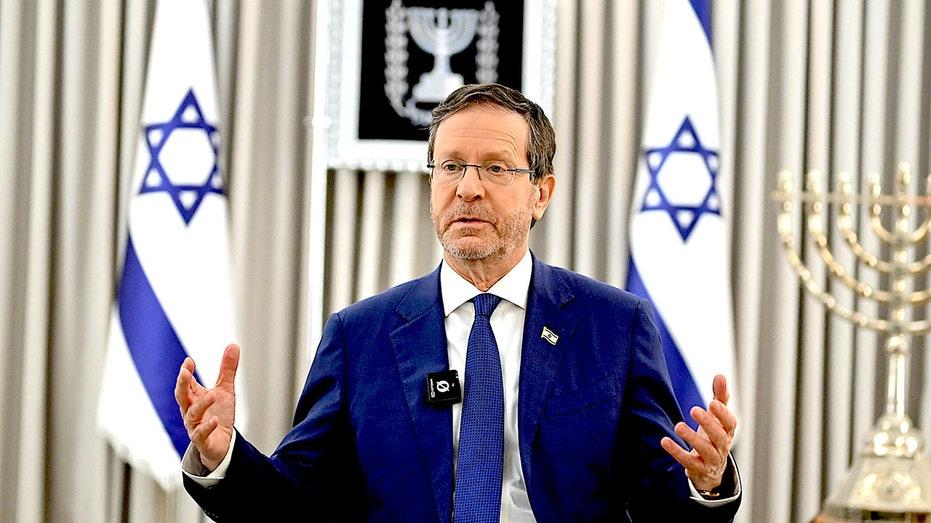
In a dramatic political maneuver, Israeli President Isaac Herzog has handed opposition leader Gadi Eisenkot the mandate to form the country’s next government, presenting Prime Minister Benjamin Netanyahu’s chief rival with the first opportunity to assemble a coalition following an inconclusive national election. This decision, formalizing the president’s choice after consultations where 67 Knesset members recommended Eisenkot against Netanyahu’s 46, marks a significant potential turning point in Israeli politics, but it immediately plunges the nation into a complex and contentious period of coalition negotiations. Eisenkot, chairman of the Yashar party, has 28 days, with a possible extension, to navigate deep-seated disagreements among parties aiming to oust Netanyahu. The challenge is immense: while Eisenkot secured a majority of recommendations, these endorsements do not translate into a unified governing bloc, particularly as support includes two Arab-led parties, the Joint List and Ra’am, whose backing is a dilemma for some potential partners who have explicitly ruled out reliance on them. Eisenkot’s proposed ‘National Emergency Government’ hinges on four core principles—recognition of Israel as a Jewish and democratic state, adherence to the Declaration of Independence, universal service, and designating Hamas as a terrorist organization—but bridging the divides, especially on the contentious issue of military conscription for ultra-Orthodox Jews and the inclusion of Arab parties, will require significant political compromise. This uncertainty has already seen shifts, with Avigdor Lieberman of Yisrael Beitenu signaling flexibility on the conscription law to end the Netanyahu era, potentially opening a path to negotiations with United Torah Judaism, though concrete proposals are still pending and religious leadership approval is necessary. Even with this potential shift, Eisenkot may still fall short of the 61 seats needed for a majority, leaving the prospect of a minority government or further political deadlock, and potentially another election, very real, all while Netanyahu remains caretaker prime minister amidst ongoing negotiations and challenges to the election results.
Adapted from: Latest World News on Fox News