









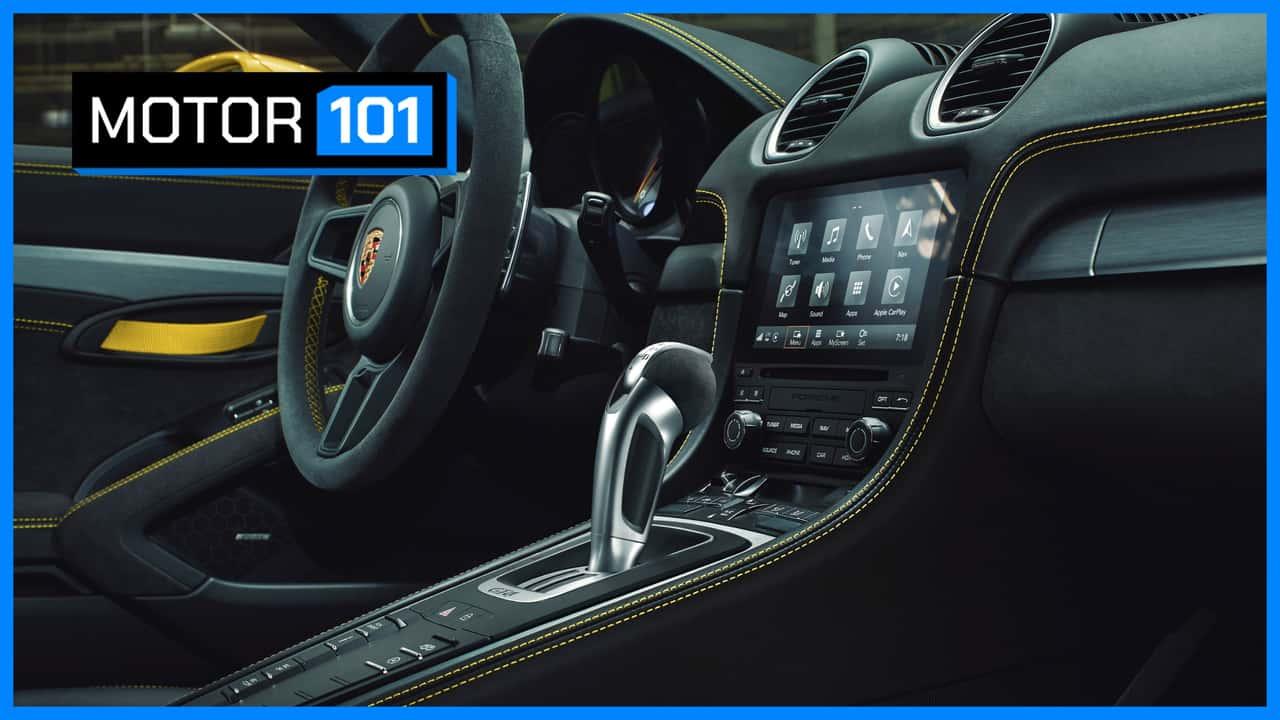
Dual-clutch transmissions (DCTs) are engineered for blistering-fast gear changes, offering drivers a sensation of near-instantaneous shifts that can dramatically improve acceleration and overall performance. This rapid shifting is achieved through a clever design that essentially combines two manual transmissions into one unit, each with its own clutch. While one clutch is engaged in a particular gear, the other anticipates the next gear, pre-selecting it. When a shift is needed, one clutch disengages simultaneously as the other engages, resulting in an incredibly swift transition with minimal interruption of power flow. This technology is a favorite in high-performance vehicles and sports cars where every millisecond counts. However, this pursuit of speed isn’t without its trade-offs. The complexity of DCTs can lead to higher manufacturing costs and potentially more intricate and expensive repairs compared to traditional automatic transmissions. Furthermore, at lower speeds or during stop-and-go traffic, the inherent nature of the dual-clutch system can sometimes result in less smooth engagement, a slight jerkiness, or a feeling of hesitation as the clutches work to find the optimal gear, a compromise many performance enthusiasts are willing to accept for the exhilarating responsiveness and efficiency gains offered at higher speeds.
Adapted from: Motor1.com - Articles