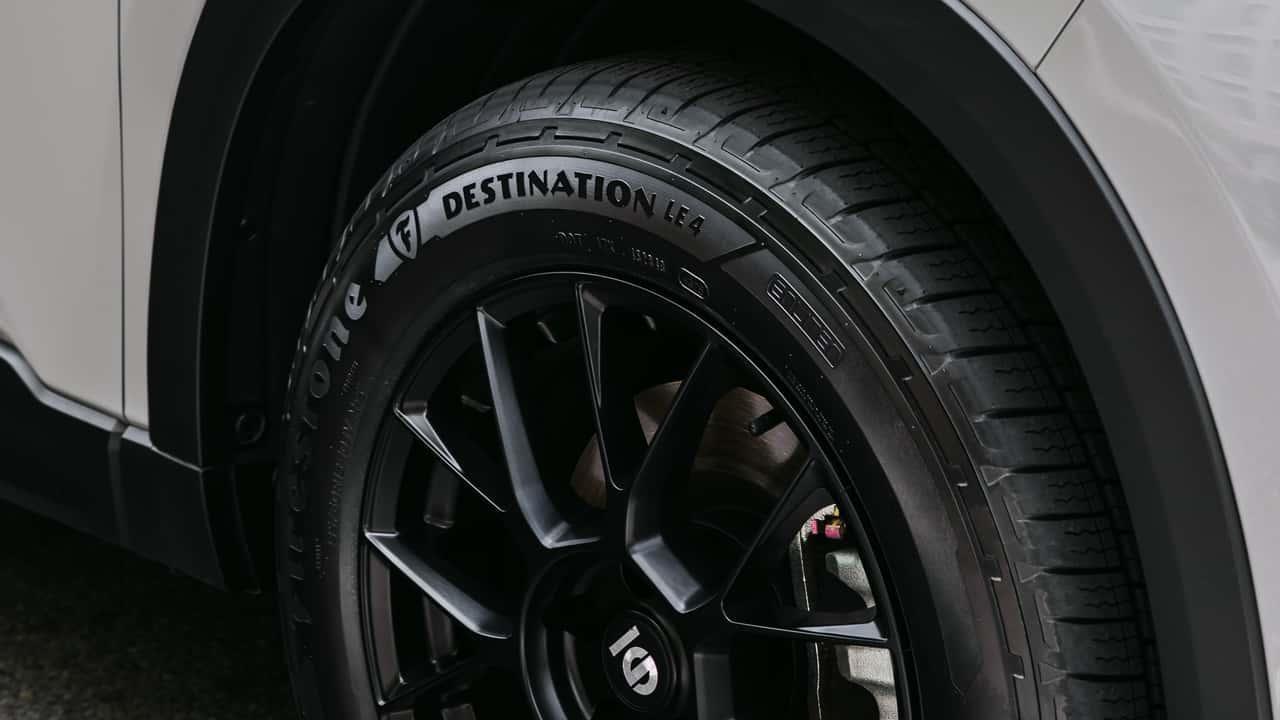










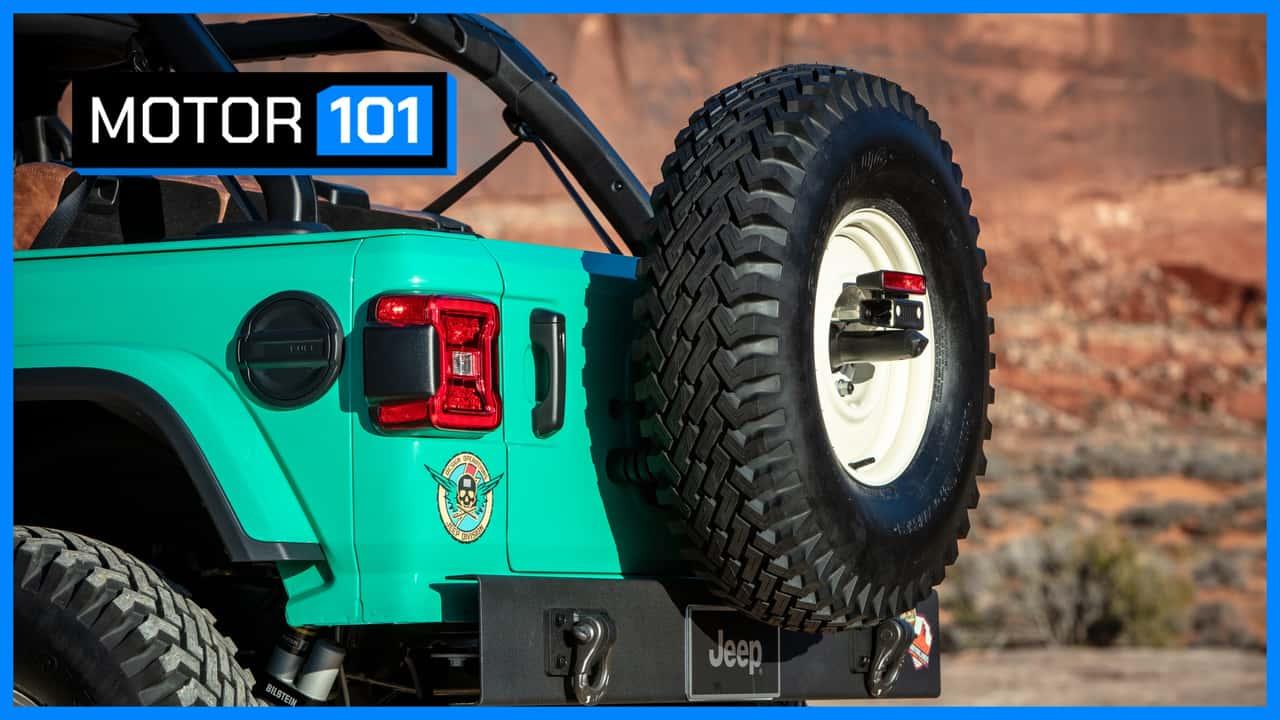
That iconic spare tire bolted to the rear of your Jeep isn’t merely a stylistic nod to rugged adventures; it’s a deeply practical design choice rooted in necessity and engineering. Historically, the very first Jeeps, designed for military service in World War II, faced situations where tire failure was not just an inconvenience but a critical mission threat. Mounting the spare externally freed up precious interior cargo space, a vital consideration in vehicles designed for troop transport and essential equipment. Furthermore, the weight of a spare tire, especially on rough terrain, can significantly impact a vehicle’s handling and stability. By placing it on the rear, engineers could help balance the vehicle’s weight distribution, particularly when the rear seats were occupied or cargo was loaded, thereby improving off-road capability and on-road safety. This placement also kept the tire out of the way, preventing it from interfering with essential components like the fuel tank or exhaust system, and made it readily accessible in the event of a flat, without requiring the driver to unload the entire vehicle. While modern advancements in tire technology, such as run-flat tires, and evolving design philosophies have led some manufacturers to integrate spares under the vehicle or omit them entirely for improved aerodynamics and lower center of gravity, the rear-mounted spare remains a beloved and functional element for many Jeep enthusiasts, a tangible link to the brand’s utilitarian heritage and a testament to a design that prioritizes preparedness and capability in demanding environments.
Adapted from: Motor1.com - Articles