








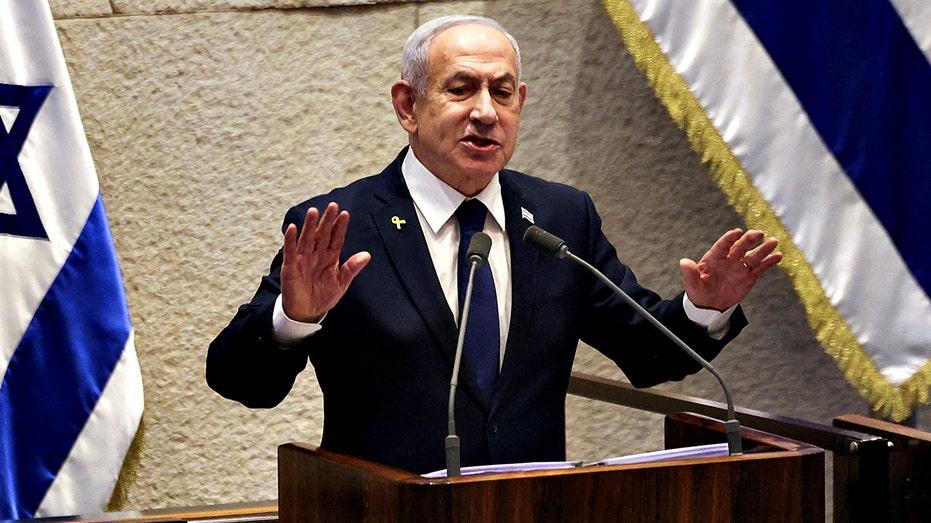
Benjamin Netanyahu’s decades-long political career and legacy are at a critical juncture as Israel heads into elections for the first time since the devastating Hamas massacre of October 7th. Voters face the profound question of who is best equipped to navigate the ongoing wars and secure the nation’s future, with many under 40 knowing no other leader. Netanyahu, Israel’s longest-serving prime minister, who transformed the nation into a high-tech and military powerhouse, is fighting to redefine his historical narrative, aiming to be remembered for achieving ‘total victory’ and dismantling the Iranian-led axis rather than for the failures preceding the Oct. 7th attacks. The election is fraught with anger over responsibility for the massacre and the war’s immense social and economic toll. While polls suggest a potential deadlock, the outcome hinges on coalition-building in Israel’s parliamentary system, where no party has historically secured an outright majority. The opposition, united by the ‘Rak Lo Bibi’ (Anyone But Bibi) sentiment, includes former allies like Naftali Bennett and Yair Lapid, who advocate for a swifter end to the conflict, contrasting with Netanyahu’s commitment to continued military action. The overarching existential threat of Iran’s nuclear program, potentially exacerbated by Russia and China, looms large, making the election a pivotal moment for Israel’s security and its place in the Middle East.
Adapted from: Latest World News on Fox News