









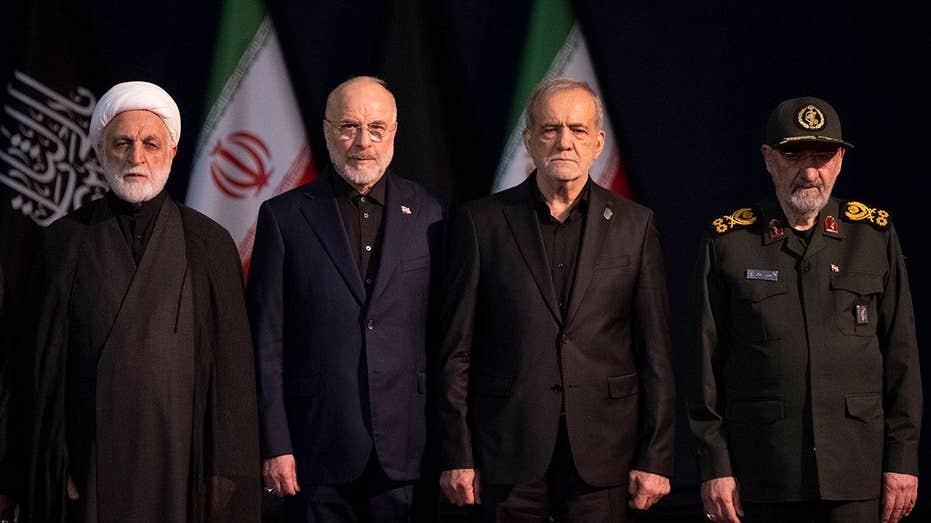
Iran is aggressively rebuilding its top military and security echelons by promoting a slate of veteran hardliners, many with careers spanning back to the 1979 Islamic Revolution and the Iran-Iraq War, following significant wartime casualties. This strategic reshuffling, which places seasoned figures at the helm of crucial institutions shaping national security and internal security policy, has ignited concerns among U.S. policymakers. The reliance on a familiar, older cohort, including figures like Ali Abdollahi as chief of staff of the Armed Forces, Kioumars Heydari as his deputy, Ahmad Vahidi as IRGC commander, Mostafa Izadi as deputy IRGC commander, Ali Ozmaei as IRGC Navy commander, and Hossein Taeb leading the Basij paramilitary force, suggests a potential narrowing of Iran’s decision-making circle. The appointment of Mohsen Rezaei, a former IRGC commander with a long history of involvement in security and foreign policy, to lead the Supreme National Security Council further underscores this trend. This reliance on veteran loyalists, rather than a new generation of commanders, raises critical questions about Iran’s capacity for compromise amidst renewed confrontation with the United States, as a smaller, more ideologically entrenched group may now dictate policy.
Adapted from: Latest World News on Fox News