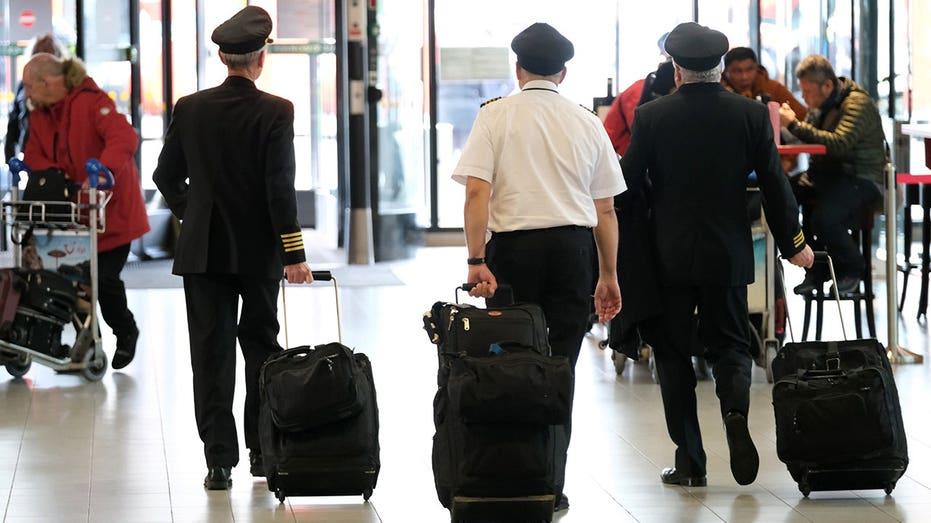









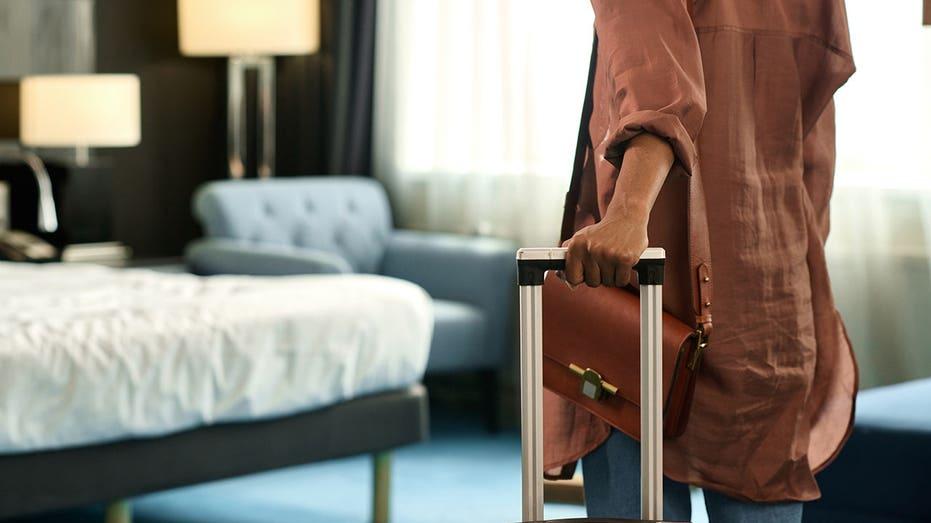
Flight attendants, who spend countless nights in hotels annually, employ a critical 90-second ‘hotel room autopsy’—a rapid, six-step safety protocol to ensure their temporary dwelling is secure before settling in. This routine, born from years of navigating unfamiliar environments with varying security and fire regulations, involves a swift scan of the room to confirm it’s unoccupied and that housekeeping has completed their work. The process then moves to meticulously checking common hiding spots like bathrooms, shower stalls, bathtubs, closets, and behind curtains. Crucially, travelers are advised to locate the nearest emergency exit and familiarize themselves with the evacuation map on the back of the door, noting the direction (left or right) and approximate distance to the stairwell. Following this, a thorough inspection of all locks—door, deadbolt, security latch, and windows—is performed to ensure they function correctly. The room’s phone is also tested to guarantee a line to the front desk or emergency services, especially if a cell phone fails. Experts emphasize verifying any unexpected hotel staff at the door by calling the front desk. As a final layer of security, a portable door alarm or wedge is recommended for the door base. This comprehensive yet brief safety check aims to foster preparedness, not fear, allowing travelers to enjoy their trips with peace of mind by simply being aware of their surroundings and potential escape routes.
Adapted from: Travel News Today on Fox News