









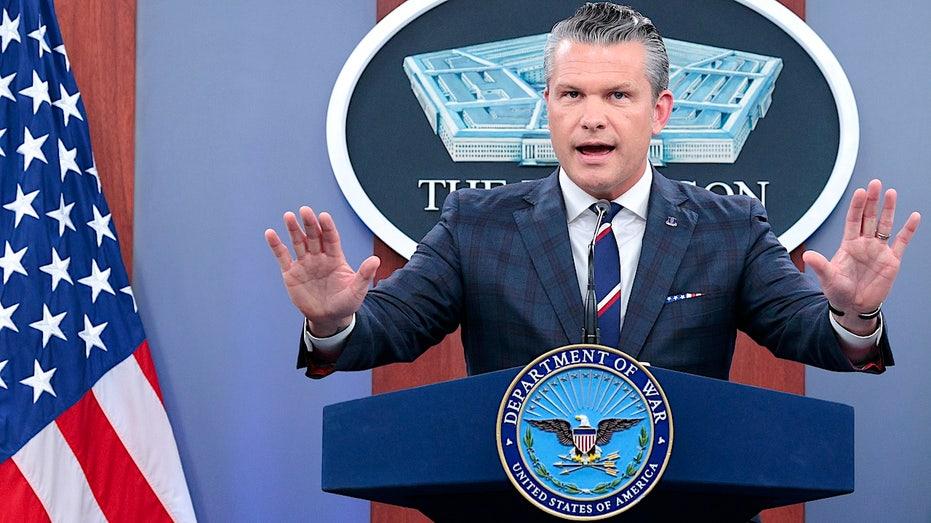
War Secretary Pete Hegseth vehemently rejected an impeachment effort, branding it a partisan ploy to transform policy disagreements into impeachable offenses, while a resolution introduced by Rep. Thomas Massie outlines eight articles alleging violations of federal law and abuses of authority. Hegseth argued that policy disputes are best settled through legislation, debate, or the ballot box, not by resorting to the extreme measure of impeachment, which he contends is reserved for “high crimes, misdemeanors, treason, or bribery.” However, Massie’s articles delve beyond mere policy objections, accusing Hegseth of violating congressional war powers, authorizing unlawful military operations, and retaliating against a senator for exercising constitutional rights, specifically referencing actions during the conflict with Iran, strikes on suspected drug traffickers, and alleged retaliation against Senator Mark Kelly. Constitutional scholar Jonathan Turley expressed skepticism about the impeachment articles, suggesting six of the eight are “nonstarters” and that Massie is attempting to use impeachment to settle long-standing disputes over executive authority, a power presidents of both parties have historically claimed. Conversely, Vice President JD Vance echoed Hegseth’s sentiment, asserting that the impeachment effort is a substitute for legislative action and is driven by opposition to Hegseth’s broader Pentagon reforms rather than specific military actions. While Turley identified the maritime strikes and the handling of Senator Kelly’s situation as potentially more serious, he cautioned that more evidence is needed to meet the constitutional threshold for impeachment. The White House staunchly defended Hegseth, praising his accomplishments and dismissing Massie’s effort as a political stunt, underscoring the looming House vote that will determine whether these allegations are viewed as grounds for impeachment or as legislative matters.
Adapted from: Latest Political News on Fox News