







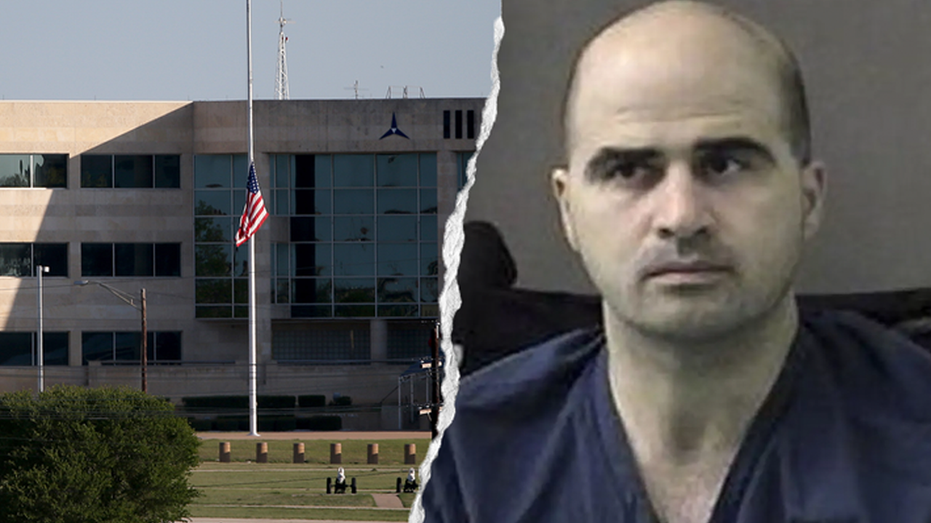
The impending firing squad execution of Fort Hood mass shooter Nidal Malik Hasan could signal a significant shift in capital punishment across the United States, with experts suggesting the method may gain broader acceptance if the military’s upcoming execution proceeds smoothly. “I think it’s highly likely that if firing squad is successful here and successful in quotes because we still don’t always know what a person is going through, but let’s say it’s a very quick execution, that it seems conceivable that it would be used on other inmates as well,” stated Fordham Law Professor Deborah Denno, a prominent death penalty expert. This potential shift comes as states like Idaho, Utah, and South Carolina have increasingly turned to the firing squad as lethal injection protocols face growing scrutiny and challenges, including recent instances of botched executions like that of Christa Pike in Tennessee and Mikal Mahdi in South Carolina, where concerns were raised about the precision of the shots. The Trump administration’s decision to employ a firing squad for Hasan, who is scheduled for execution on December 3rd, marks a notable departure from typical methods and could set a precedent. Denno emphasizes that the firing squad is widely considered a more certain and quicker method, potentially the ‘least inhumane’ option, with a readily available pool of skilled marksmen compared to the specialized training and drug procurement issues plaguing lethal injections. While the last U.S. military execution by firing squad was in 1961, the method’s historical reliability and the current difficulties with lethal injections are driving renewed interest, making Hasan’s execution a critical event to watch for its potential impact on the future of capital punishment nationwide.
Adapted from: U.S. News Today on Fox News