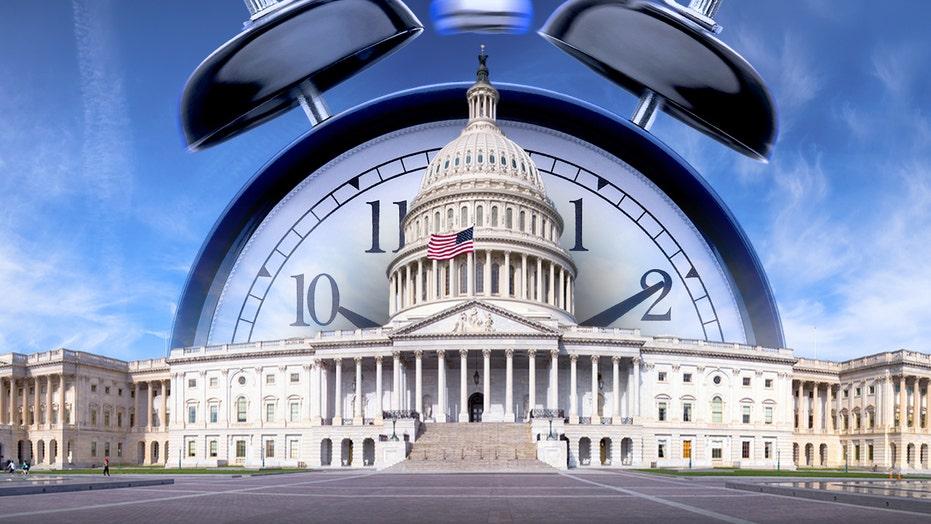







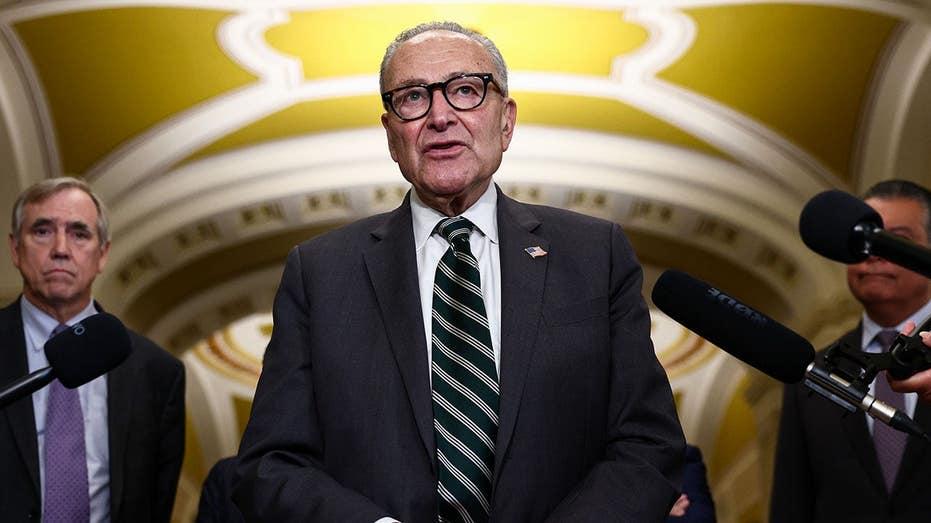
Despite optimistic pronouncements from Democratic leadership like Senate Leader Chuck Schumer, who senses “the wind in our sails” for a potential November “blue wave,” three critical variables could significantly dampen this momentum. Firstly, a persistent concern is that current polling may be underestimating Republican support, echoing past election cycles where polls failed to capture the full extent of GOP enthusiasm, potentially leading to an inaccurate picture of the electoral landscape. Secondly, the Democratic brand itself faces voter skepticism, with recent national polls showing unfavorable ratings, suggesting that voter frustration with current issues doesn’t automatically translate into trust for Democrats; candidates must actively define themselves and their platforms to overcome this hurdle. Thirdly, the Republican party holds a substantial financial advantage in advertising, outspending Democrats significantly in crucial Senate battlegrounds, which could give them a powerful edge in shaping voter perceptions in the closing weeks of the campaign. These factors—potential polling inaccuracies, lingering doubts about the Democratic brand, and the GOP’s financial dominance—represent significant headwinds that could prevent the anticipated blue wave from fully materializing on Election Day.
Adapted from: Latest & Breaking News on Fox News