










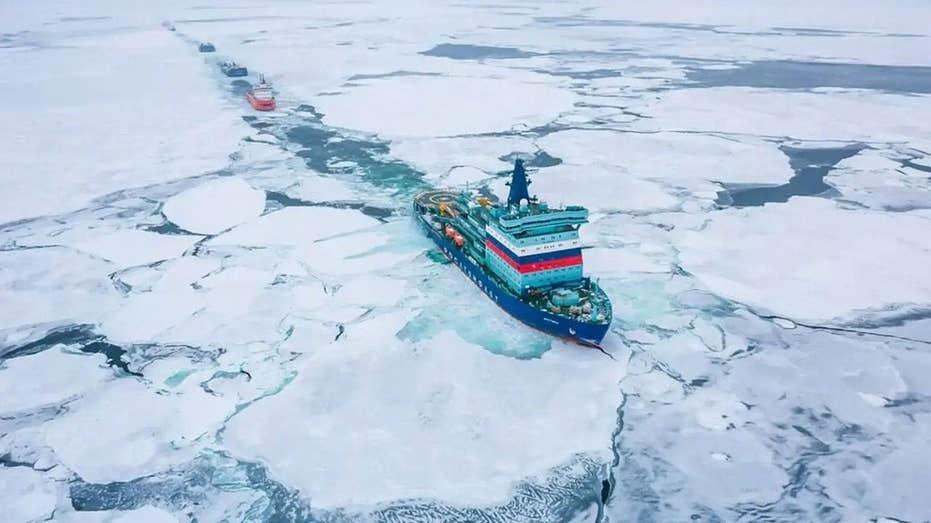
China is aggressively leveraging the melting Arctic ice to establish a new strategic trade corridor, launching regular seasonal container service to Europe via Russia’s Northern Sea Route, a move that deepens Beijing and Moscow’s commercial and military footprint in a region the U.S. increasingly deems critical for its national security. While the current scale of this service is limited, its strategic significance is immense, as China pursues a broader Arctic agenda driven by the accessibility of the Northern Sea Route along Russia’s coast, a path becoming viable for several months annually due to climate change. This burgeoning partnership is further underscored by a new U.S. congressional commission report highlighting Russia’s growing dependence on China following its isolation from the West, granting Beijing increased leverage, including enhanced access to Arctic resources and infrastructure projects like the Arctic LNG 2. The two nations are not only developing year-round commercial shipping along the Northern Sea Route but have also formed a joint venture to build ice-class container vessels, signaling a long-term commitment. This Arctic expansion, which includes China’s ‘Polar Silk Road’ initiative, is viewed by the Pentagon as a potential destabilizing force that could alter the Arctic’s threat landscape, especially given the growing military cooperation, including joint exercises and bomber patrols entering U.S. air defense zones. The Northern Sea Route offers China a compelling alternative to traditional, more congested shipping lanes, bypassing critical chokepoints like the Strait of Malacca and the Suez Canal, a strategic advantage that bolsters its global trade ambitions. The asymmetric relationship between China and Russia, where Moscow now relies more heavily on Beijing, has resulted in China securing discounted energy and access to Russian military technology without the obligations of a formal alliance, with China purchasing hundreds of billions in Russian fossil fuels since the Ukraine invasion. This Arctic power play is a direct challenge to U.S. interests, prompting calls for increased American presence and investment in the region, including more icebreakers, to counter the assertive moves by China and Russia and maintain stability in this vital strategic theater.
Adapted from: Latest World News on Fox News