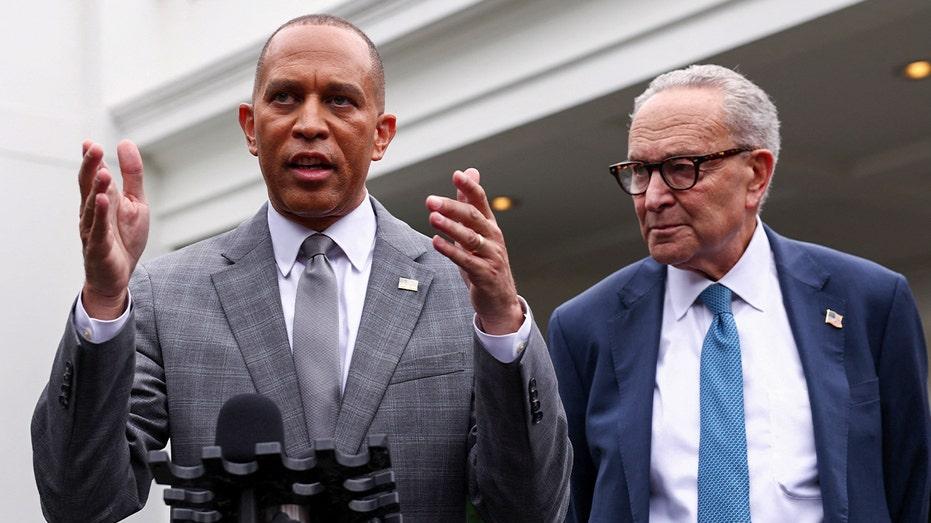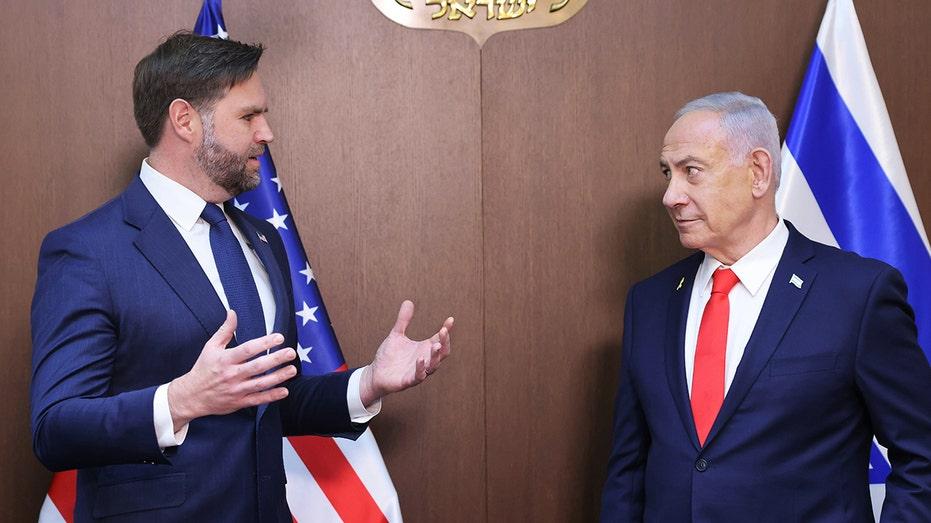






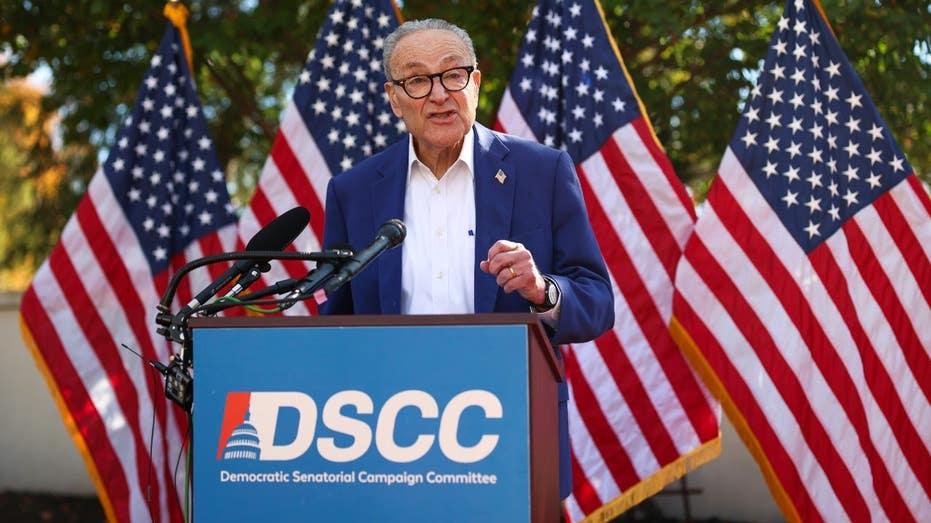
Even as the midterm elections conclude, the real battles for power are erupting within the House and Senate, with internal leadership elections poised to reshape both chambers. House Speaker Mike Johnson has signaled he will not seek the minority leader post, while Senate Majority Leader John Thune faces an uncertain future despite President Trump’s apparent tacit approval. Meanwhile, a wave of newly elected progressives is challenging the established Democratic leadership, with Sen.-elect Abdul El-Sayed openly questioning his support for Chuck Schumer and advocating for an alternative like Sen. Chris Van Hollen. Other incoming Democrats, like Sen.-elects Adam Hamilton, Annie Andrews, and Troy Jackson, are also signaling a desire for new leadership, though Schumer remains confident in his re-election prospects, needing only a fraction of his caucus to secure his position. On the House side, a group of Democratic Socialists is threatening to withhold support for Hakeem Jeffries unless their agenda is prioritized, creating a complex dynamic for his speakership bid, which requires a full House majority. For House Republicans, the race for minority leader is heating up between Steve Scalise and Jim Jordan, both aligned with President Trump, but some within the party are looking to move beyond that association. The Democratic agenda, still lacking a unified ‘Contract with America’ equivalent, is beginning to coalesce around issues like rolling back previous spending cuts, renewing Obamacare subsidies, addressing concerns about AI and data centers, ending the war in Iran to lower gas prices, and potentially unwinding Trump-era tariffs. The potential for Democrats to secure over 260 House seats and 54 Senate seats significantly alters the legislative landscape, potentially enabling veto overrides and forcing a reckoning for Republicans on issues like tariffs, while also presenting challenges in securing the supermajorities needed to overcome presidential vetoes, especially with the departure of key Republican moderates.
Adapted from: Latest Political News on Fox News