








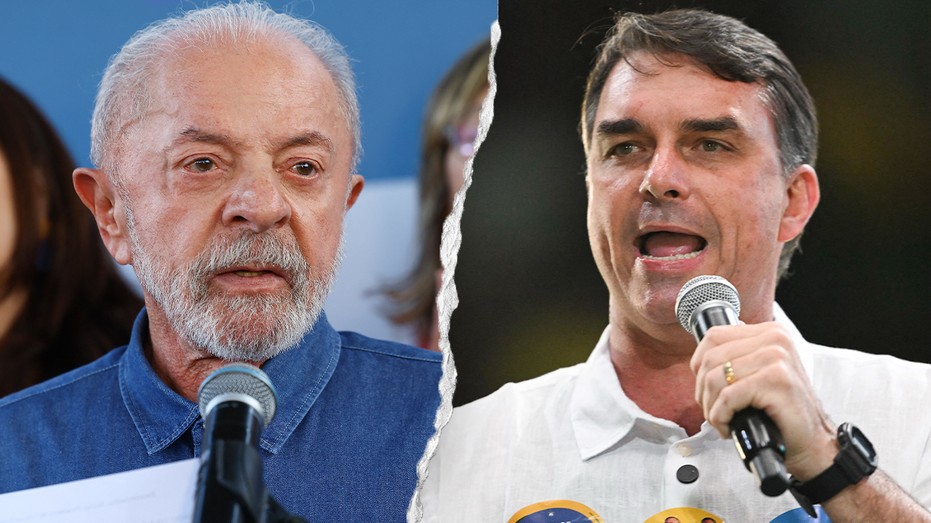
Brazil stands at a critical juncture, with its 158 million voters poised to either accelerate or halt Latin America’s burgeoning conservative movement in a highly anticipated election. The recent first-round results defied expectations, revealing a starkly divided nation where conservative Senator Flavio Bolsonaro nearly unseated incumbent President Luiz Inacio Lula da Silva (Lula), securing 47% of the vote to Lula’s 45%, forcing a runoff. This electoral battle in South America’s most populous nation echoes a broader regional trend that has seen a wave of conservative victories, beginning with Argentina’s 2023 election of libertarian outsider Javier Milei and continuing through 2025 with right-wing sweeps in Ecuador, Bolivia, Honduras, and Chile, and further reinforced by wins in Peru and Colombia. Bolsonaro’s strong performance extended to congressional races, ensuring a predominantly conservative legislature poised to either advance his agenda or obstruct Lula’s. The election is further complicated by the legal entanglements of both leading candidates’ families, with Flavio Bolsonaro pledging to free his father, Jair Bolsonaro, who is serving a sentence for alleged coup plotting, while Lula himself previously faced and was freed from corruption charges. President Donald Trump has lauded these conservative shifts as validation for his policies, suggesting a growing alignment across the Americas. The region’s electorate appears to be increasingly rejecting progressive platforms, prioritizing security and law enforcement in response to rising crime and drug trafficking, while leftist parties struggle to address economic concerns like inflation and the rising cost of living. With key endorsements from other defeated candidates, Bolsonaro enters the second round with strategic advantages, forcing Lula to court a broad spectrum of voters who may be voting as much against a candidate as for one. The election also raises questions about Lula’s enduring appeal, as this marks his seventh presidential ballot appearance over four decades, and his broken promise of serving only a single term in his last victory. Ultimately, Brazil’s choice will significantly impact the trajectory of political ideologies across the continent, testing the limits of Lula’s long-standing influence against a powerful conservative resurgence.
Adapted from: Latest World News on Fox News