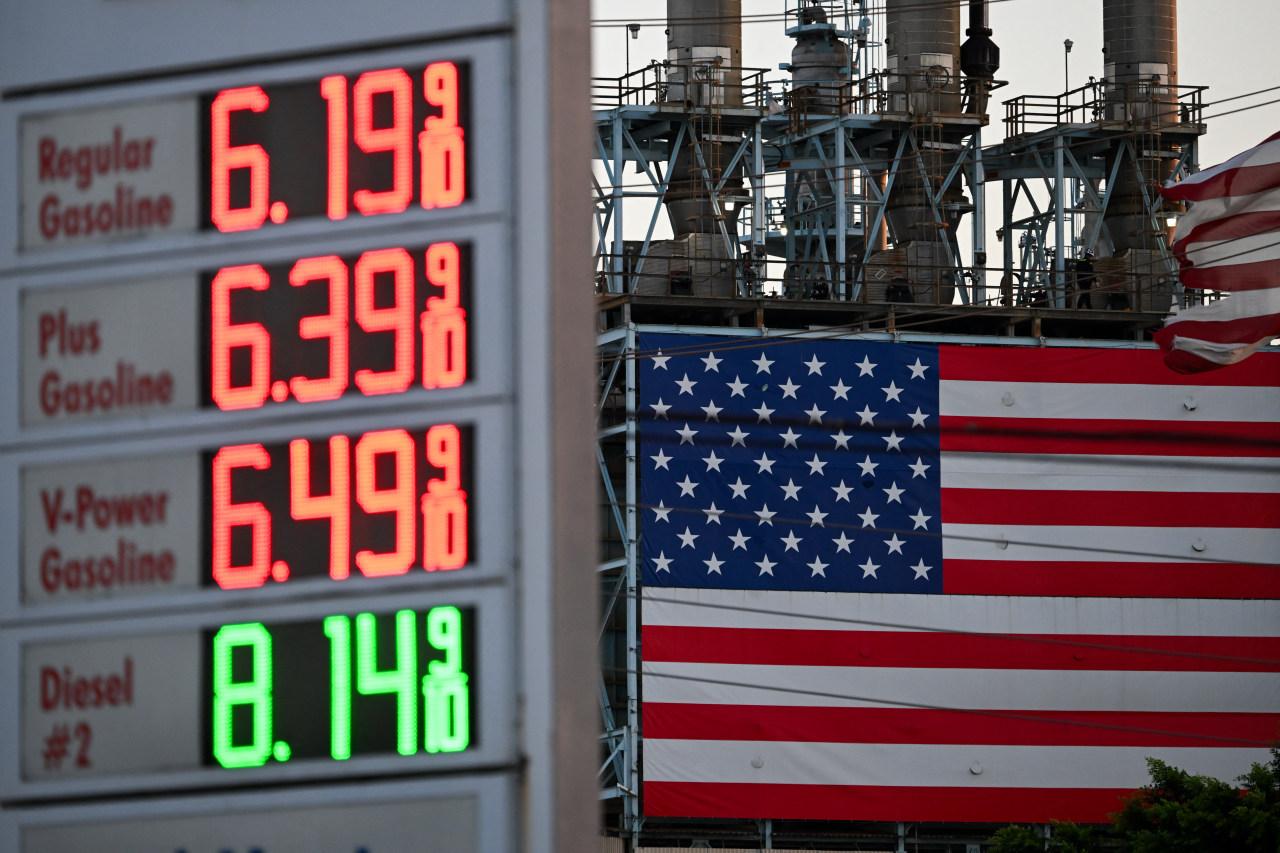











Bond traders are increasingly fixated on oil prices, a correlation that, while seemingly intuitive given oil’s impact on inflation and economic growth, is becoming a point of contention as the relationship appears increasingly strained and potentially misleading. The prevailing narrative suggests that rising oil prices directly translate to higher inflation, prompting central banks to tighten monetary policy, thereby pushing bond yields upward. Conversely, falling oil prices are expected to signal disinflationary pressures, leading to lower yields. However, this simplistic cause-and-effect is being challenged by market dynamics where bond yields are reacting to oil price movements in ways that defy conventional economic logic. For instance, periods of surging oil prices have not always been met with corresponding spikes in bond yields, and vice versa. This divergence suggests that other factors, such as shifts in market sentiment, geopolitical risks unrelated to immediate supply and demand, or even technical trading patterns, are now exerting a more dominant influence on bond markets than the direct impact of oil. Bond traders who are overly focused on oil as the primary driver of yield movements risk misinterpreting market signals, leading to potentially costly trading decisions. The assumption that oil price fluctuations are a direct and reliable predictor of future interest rate policy may be outdated, forcing a reassessment of the fundamental drivers of bond market behavior.
Adapted from: WSJ.com: Markets