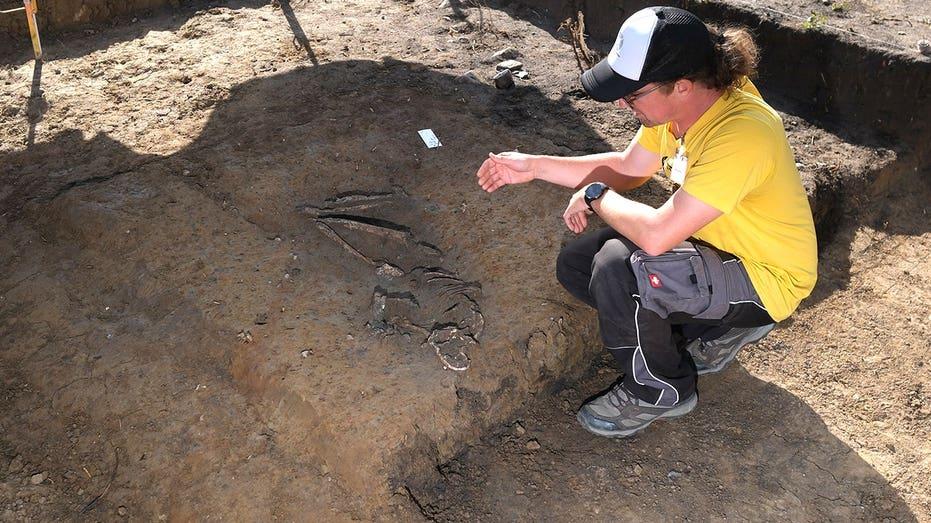











Centuries-old mummies unearthed in Chile have yielded undeniable genetic evidence of smallpox, pinpointing its arrival in the Americas to the post-European colonization era. Researchers analyzed bone samples from individuals who perished between 1492 and 1631, uncovering the pathogen’s DNA and providing the first concrete proof of its presence in South America. This groundbreaking discovery corroborates historical understanding that the once-deadly disease, responsible for killing one-third of those infected and leaving survivors scarred, was introduced by Europeans. While smallpox was eradicated globally in 1980, its devastating impact on indigenous populations following European contact has long been a subject of study, with questions remaining about the exact transmission routes, though theories include spread via established trade networks or the African slave trade. This finding underscores the crucial role of ancient DNA in solving historical mysteries, following similar breakthroughs in tracing the origins of syphilis and identifying the cause of death for historical figures.
Adapted from: Travel News Today on Fox News