









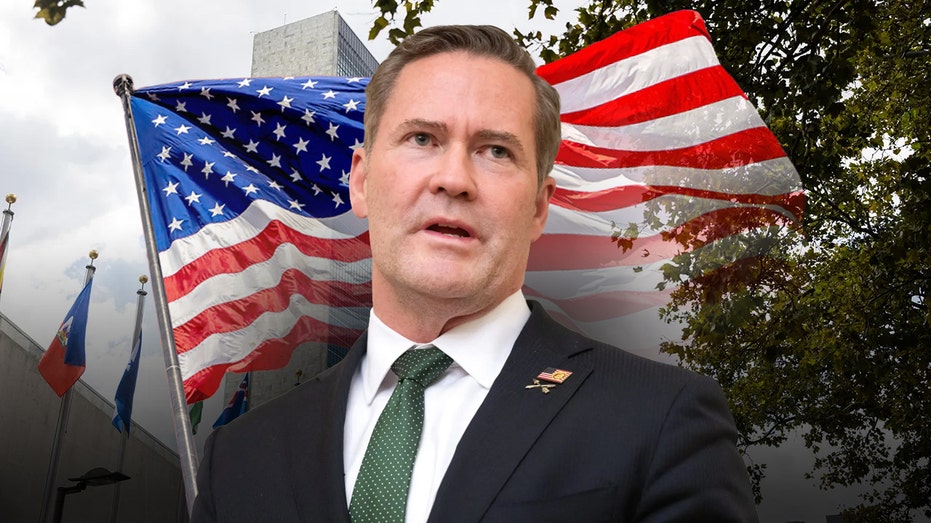
The Trump administration is initiating a significant shift away from traditional, taxpayer-funded foreign aid, championing a new blueprint that prioritizes private sector investment, trade, and American businesses as the primary drivers of global development. Ambassador Mike Waltz revealed this strategy, dubbed “Trade Over Aid,” emphasizing a move from billions in aid with little return to fostering job creation and business opportunities for American companies while simultaneously improving living standards abroad and reducing instability. This initiative, which sees USAID’s functions integrated into the State Department as part of broader efficiency efforts, aims to create a more sustainable model by encouraging private capital flow into developing nations, supported by entities like the U.S. International Development Finance Corporation and the World Bank to mitigate risks in fragile markets. While proponents, including Czech Environment Minister Igor Cerveny, hail it as a path to self-sufficiency and dignity for recipient nations, and major corporations like Microsoft and Google express interest, concerns remain. Leaders from countries like the Democratic Republic of Congo and former Belgian Prime Minister Alexander De Croo caution that aid remains crucial for immediate crisis response and for building the foundational institutions necessary for markets to thrive, suggesting that trade and aid should be complementary rather than mutually exclusive. The core challenge lies in attracting private investment to the riskiest, most fragile environments where traditional aid has historically been indispensable, testing whether this market-driven approach can truly deliver development where it’s needed most.
Adapted from: Latest World News on Fox News