

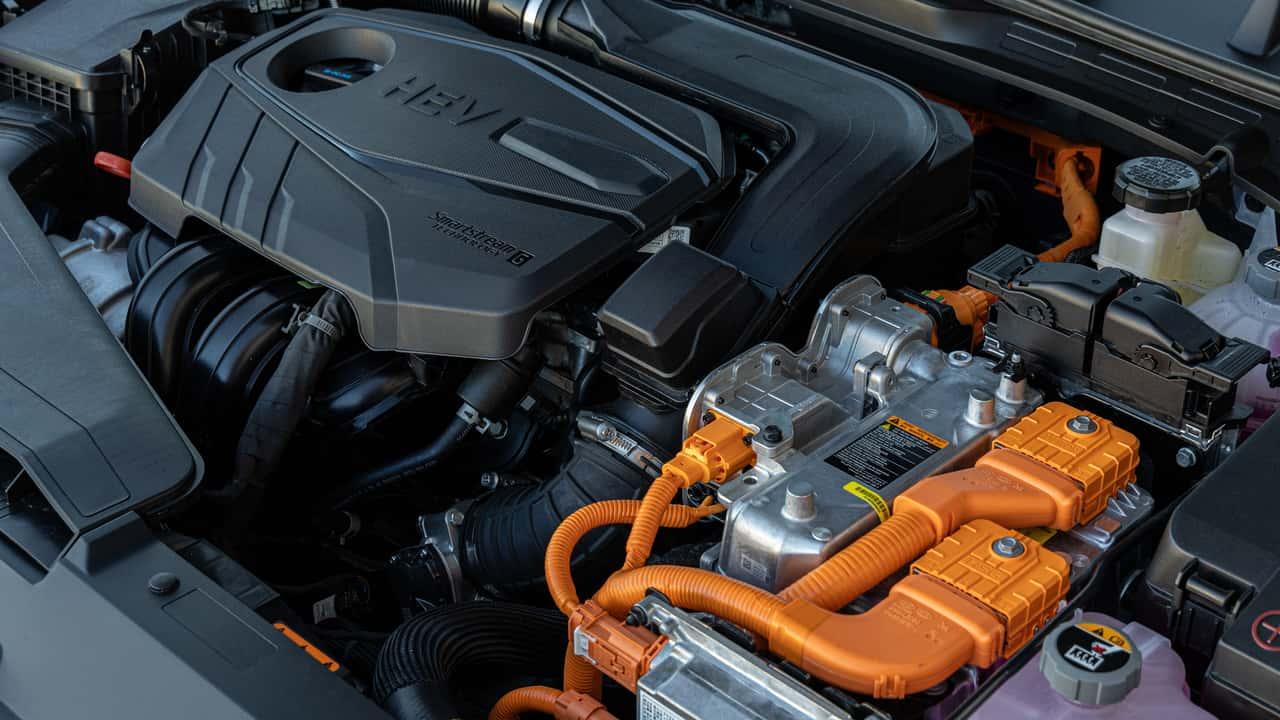
Drivers of increasingly popular hybrid vehicles often wonder about the silent ballet their car performs between electric and gasoline power. It’s not random; sophisticated computer systems constantly monitor a complex array of factors to optimize efficiency and performance. The core decision-making process hinges on the car’s current speed, acceleration demands, battery charge level, and even ambient temperature. When starting from a standstill or cruising at low speeds, the vehicle typically prioritizes electric power to conserve fuel, offering a quiet and emissions-free experience. As the driver demands more acceleration, such as during highway merging or overtaking, the system seamlessly engages the gasoline engine to provide the necessary power boost. Conversely, when cruising at steady speeds, especially on the highway, the gasoline engine might be engaged to maintain speed and simultaneously recharge the battery. The battery’s state of charge is a critical determinant; if it’s low, the gasoline engine will run more frequently to replenish it, even if electric power would otherwise suffice. Conversely, a fully charged battery allows for extended periods of electric-only operation. Furthermore, the car’s computer analyzes driving conditions. For instance, in cold weather, the gasoline engine may activate sooner to help warm the battery and cabin, as cold temperatures reduce battery efficiency. The transition is designed to be as smooth as possible, often imperceptible to the driver, with the engine starting and stopping quietly and efficiently based on these real-time calculations. Understanding these dynamics empowers drivers to better appreciate their hybrid’s technology and potentially adjust their driving habits to maximize its benefits.
Adapted from: Motor1.com - Articles