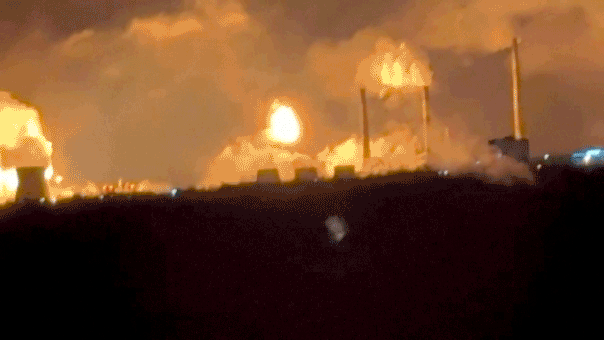


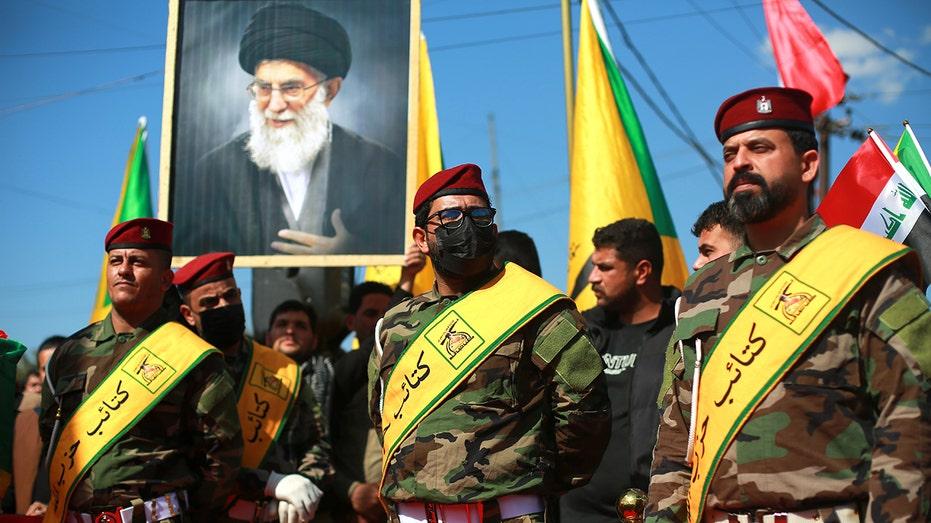
Elizabeth Tsurkov, an Israeli-Russian researcher held captive for over two years by an Iran-backed militia, has revealed that her initial four and a half months of imprisonment occurred within the very stronghold in Jurf al-Sakhr that Iraqi Prime Minister Ali al-Zaidi has now ordered the army to reclaim. Tsurkov, who was held in a private family home commandeered by Kata’ib Hezbollah south of Baghdad, stated that this operation must extend beyond dismantling alleged oil-smuggling to actively searching for secret prisons, mass burial sites, and weapons caches, while also facilitating the return of displaced residents to their homes. Jurf al-Sakhr, a territory effectively controlled by Iran-backed militias since 2014 after they expelled ISIS and prevented the original Sunni population from returning, is now the focus of a government offensive presented as an anti-corruption campaign, though experts remain skeptical of its long-term impact given the militias’ continued presence elsewhere and their deep integration into Iraqi political and commercial structures. The complexity of challenging these groups is highlighted by the fact that even initial government inspections required negotiations with militia commanders, and past crackdowns have seen detainees released under pressure, underscoring the significant threat of retaliation against officials and their families. Tsurkov’s experience and research suggest a core of ideologically committed operatives alongside a larger group motivated by financial gain and power, offering a potential avenue for reducing militia influence by offering alternative employment, though the appointment of sanctioned militia figures to high government positions and Iran’s reported nomination of a senior Revolutionary Guards commander as ambassador raise serious questions about Baghdad’s willingness to confront Tehran’s influence. Ultimately, for Tsurkov, the true measure of success lies not in the military operation itself, but in the genuine return of civilian control and the ability of displaced families to reclaim their homes, a sentiment echoed by analysts who, while acknowledging the operation as a potential first step, remain cautious about its ability to fundamentally alter the power dynamics in Iraq.
Adapted from: Latest World News on Fox News