









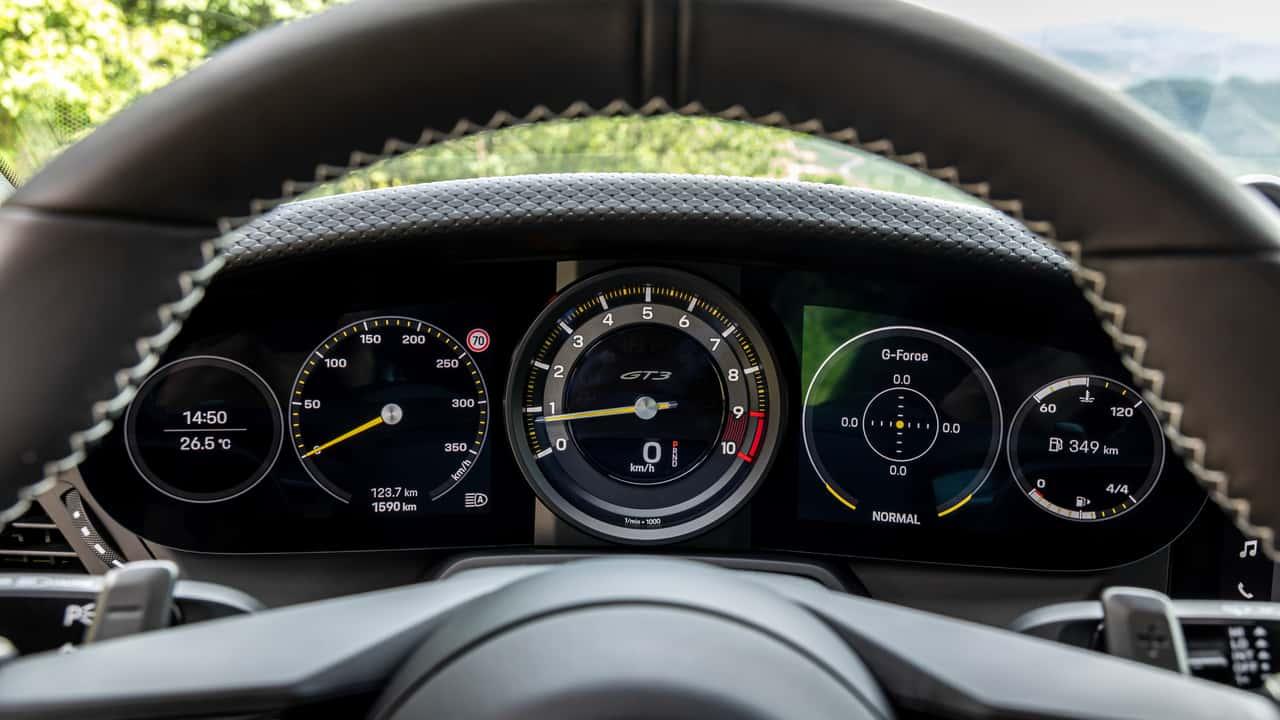
Pushing your car’s engine past its redline isn’t just a minor misstep; it’s a direct invitation to mechanical disaster. The redline, clearly marked on your tachometer, signifies the maximum safe engine speed (RPM) before internal components face extreme stress. Exceeding this threshold, often by accidentally downshifting into too low a gear or simply holding acceleration too long, can lead to a cascade of catastrophic failures. Connecting rods, designed to withstand specific forces, can bend or snap under the immense pressure, potentially punching through the engine block itself, a failure so severe it’s often dubbed ‘throwing a rod.’ Pistons can overheat, expand, and seize within their cylinders, or their rings can break. The valvetrain is also highly vulnerable; valves can float, meaning they don’t close properly, leading to collision with the rising piston, causing bent valves, damaged camshafts, and a ruined cylinder head. Even if immediate catastrophic failure is avoided, the excessive stress and heat generated can accelerate wear on bearings, seals, and other critical components, drastically shortening the engine’s lifespan and leading to oil consumption, leaks, and eventual breakdown. In essence, ignoring the redline is a gamble with your engine’s very survival, where a moment of overzealousness can result in thousands of dollars in repairs or a complete engine replacement.
Adapted from: Motor1.com - Articles