









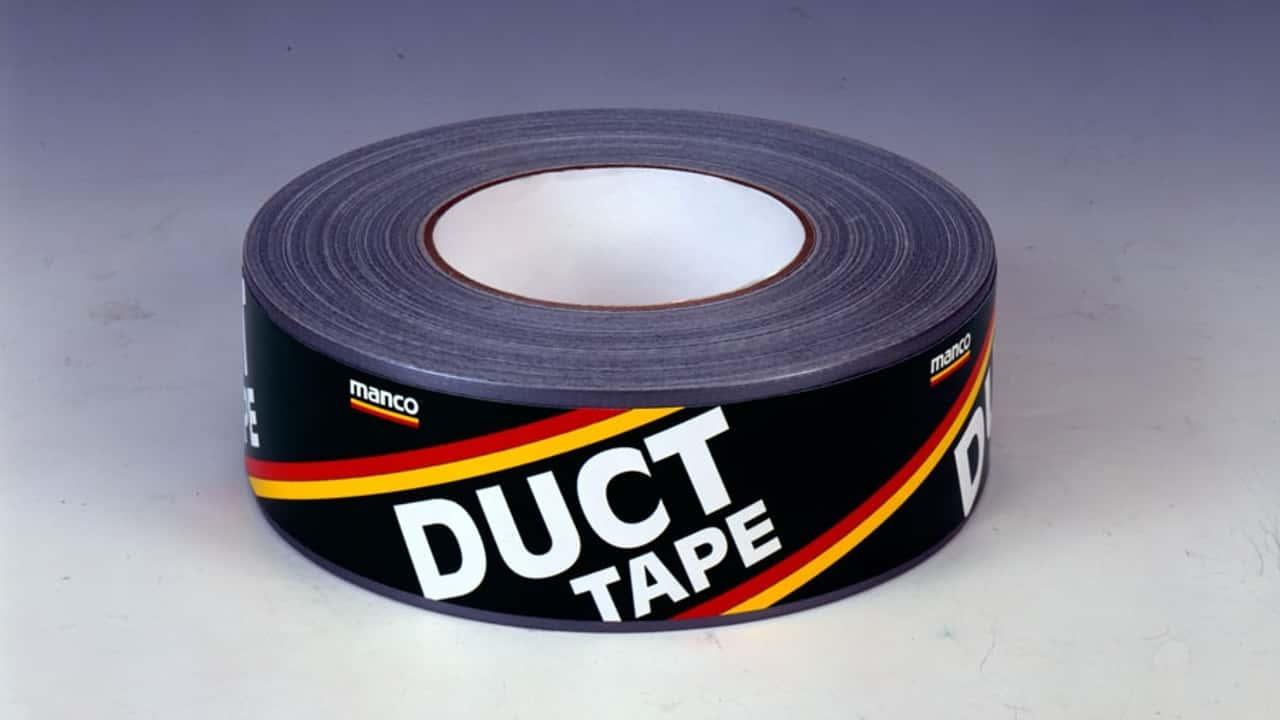
Born out of the urgent demands of World War II, duct tape’s origin story is a testament to wartime ingenuity and a surprisingly simple yet effective solution. In 1943, American soldiers desperately needed a waterproof, durable tape that could be easily applied and removed from ammunition crates in humid jungle conditions, preventing moisture from ruining their gunpowder. Johnson & Johnson, a company known for its medical supplies, was tasked with developing this critical material. Their initial attempts involved a rubber-based adhesive applied to a cotton duck fabric, which gave the tape its characteristic strength and water-resistance. However, the breakthrough came from a suggestion by a mother named Vesta Stoudt, whose sons were fighting in the war. She realized that the tape used to seal ammunition containers could also be used to quickly repair military equipment in the field, much like a bandage for machinery. Her insight led to the development of the iconic silver tape, initially called ‘duck tape’ due to its fabric backing. This revolutionary material, initially intended for military use, quickly proved its worth beyond the battlefield, becoming an indispensable tool for everyday repairs in homes, garages, and vehicles, a legacy that continues to this day.
Adapted from: Motor1.com - Articles