









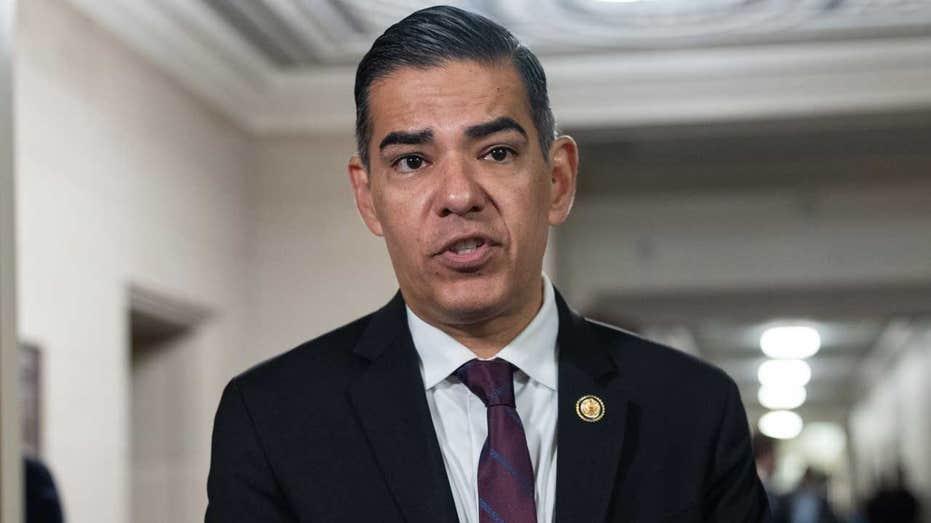
A stark warning from White House Counsel William Scharf to a top House Democrat, threatening criminal misconduct for overreaching investigative powers, has ignited a firestorm among legal experts on both sides of the aisle. Scharf’s letter to Rep. Robert Garcia, poised to chair the House Committee on Oversight and Government Reform, cautioned against exceeding constitutional limits on congressional investigations and subpoenas, suggesting such actions could cross into criminal territory. Garcia, however, fired back, asserting Congress’s inherent authority and accusing the Trump administration of attempting to weaponize government against a co-equal branch. Legal scholars, while acknowledging the White House’s right to challenge specific subpoenas, largely agree that pursuing criminal indictments against lawmakers for oversight activities faces significant constitutional hurdles, including protections under the Speech or Debate Clause. While the White House cites precedents like *Watkins v. U.S.* to argue that investigations must have a legitimate legislative purpose and cannot be solely for harassment, the practical application of criminal statutes to congressional oversight remains a contentious and legally complex issue, with many experts doubting the viability of such prosecutions, even as the administration is expected to vigorously challenge subpoenas through litigation.
Adapted from: Latest Political News on Fox News