









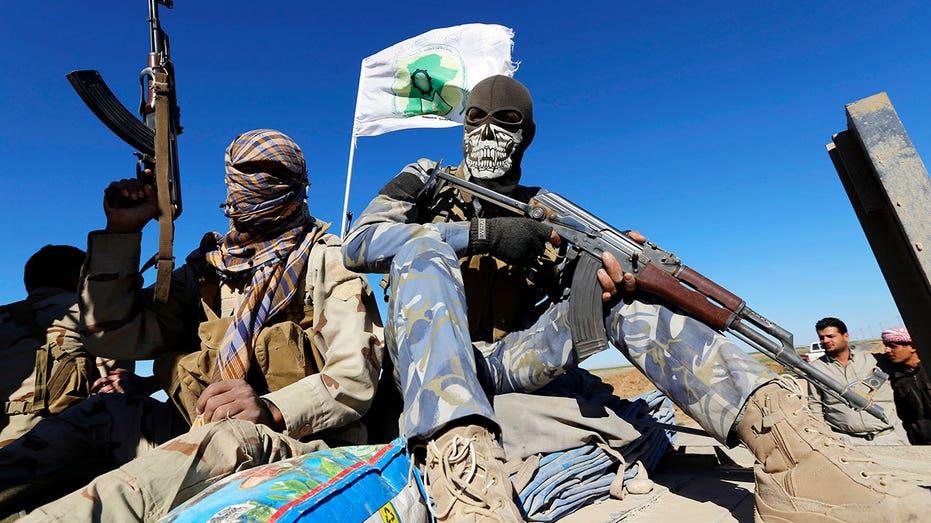
A critical U.S.-backed effort to disarm powerful Iran-linked militias in Iraq, known as the Popular Mobilization Units (PMU), is encountering significant resistance and setbacks, despite initial optimism surrounding new Iraqi Prime Minister Ali al-Zaidi’s commitment. While the Iraqi government has publicly stated its intention to bring all weapons under state control and integrate fighters, a senior Iraqi security advisor recently declared that a September 30th deadline pertains to the departure of the international coalition, not the disarmament of these groups, casting doubt on the timeline. Hardline factions within the PMU, such as Kataeb Hezbollah and Harakat Hezbollah al-Nujaba, have explicitly refused to disarm or integrate, signaling their intent to maintain independent military power. This ambiguity comes despite earlier statements from Prime Minister al-Zaidi emphasizing broad political consensus on restricting weapons to state authority and developing handover mechanisms, with no intention of military confrontation. Experts like Entifadh Qanbar express deep skepticism, noting a lack of credible evidence of disarmament by groups like Asaib Ahl al-Haq and Kataib Imam Ali, and point to reports of Iranian Revolutionary Guard Corps (IRGC) Quds Force commander Esmail Qaani instructing militia leaders to delay disarmament and maintain weapons as part of Iran’s regional deterrence strategy. The pervasive influence of these militias is further highlighted by their penetration of state institutions, leading to instances where the government appears to back down, as demonstrated by the transfer of arrested PMU intelligence chief Abbas al-Yaqubi back to militia control after his apprehension by the Iraqi Counter Terrorism Service, a move seen as a major setback to confronting powerful militia figures.
Adapted from: Latest World News on Fox News