










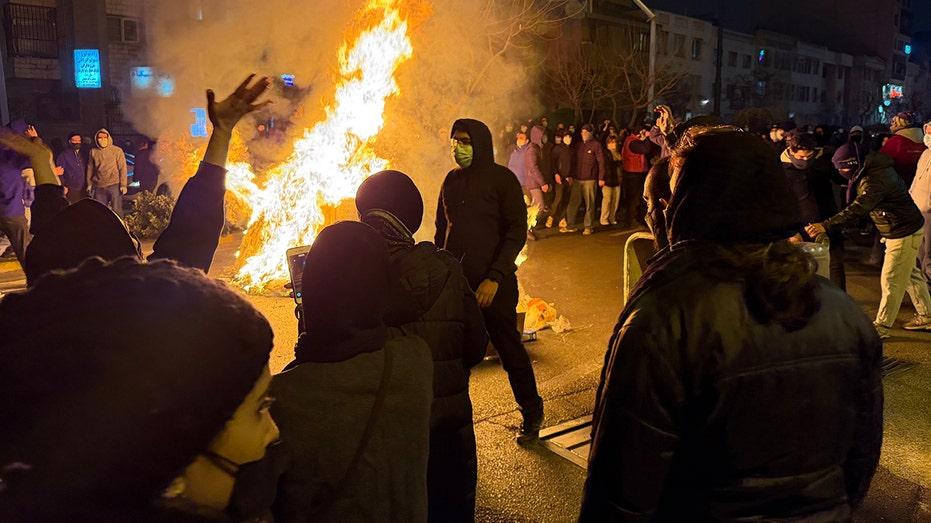
The United States has launched an unprecedented “economic D-Day” against Iran, a sweeping financial campaign aimed at severing all economic lifelines to the Islamic Republic, with experts assessing the potential for regime collapse. Treasury Secretary Scott Bessent announced the aggressive strategy, comparing it to the Allied military campaign against Nazi Germany, stating the objective is to isolate Tehran until it “stands alone.” This declaration follows President Trump’s vow of “unprecedented economic consequences” for any nation aiding Iran, a move that comes as Iran’s currency, the rial, has plummeted to an all-time low against the U.S. dollar, exacerbating economic hardship for its population of over 90 million. Analysts suggest this intensified pressure, coupled with existing military actions that have degraded Iran’s industrial and military capacity, could ignite domestic uprisings. While some experts believe the synchronized economic and military pressure creates a “true weakness” in the regime, others express skepticism, arguing that starving the civilian population may not lead to a successful revolt, especially given the regime’s history of brutal suppression and the disruption of prior protest movements like “Woman, Life, Freedom.” However, the potential for economic desperation, including delayed salaries for soldiers, could mirror historical collapses where ordinary citizens and military personnel turned against their leadership, potentially reigniting widespread protests fueled by deep-seated economic and social discontent.
Adapted from: Latest World News on Fox News