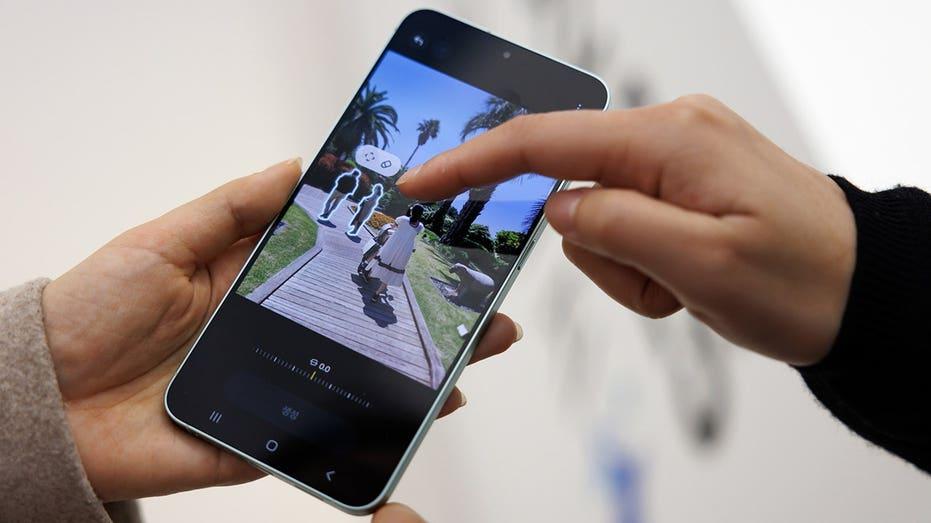








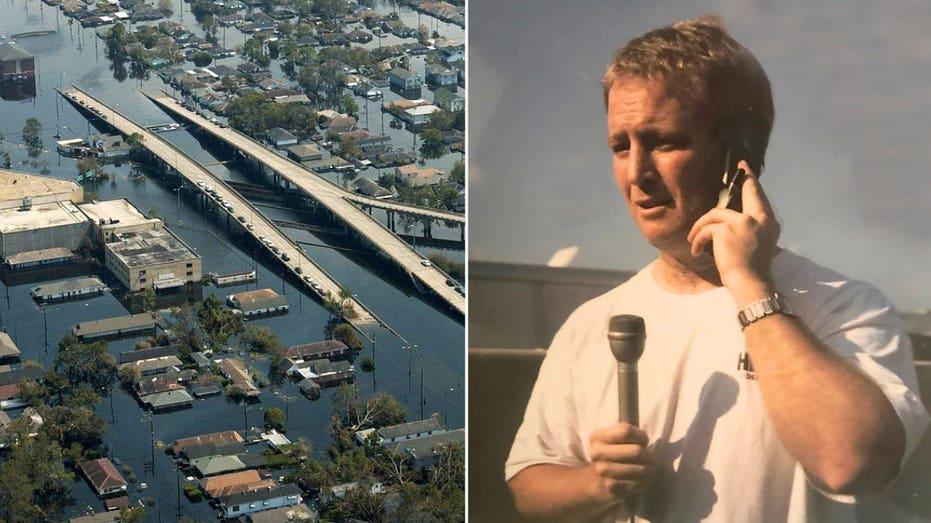
The devastating impact of Hurricane Katrina in 2005 transformed a planned weekend trip into a harrowing ordeal, offering profound lessons in emergency preparedness that extend far beyond material supplies. Trapped in a New Orleans hotel that, despite its supposed hurricane-proof upgrades, was quickly overwhelmed by rising floodwaters, dwindling resources, and escalating chaos, the experience underscored the critical importance of readily accessible, accurate information and reliable communication. When normal services collapsed, the inability to quickly determine precise GPS coordinates for potential rescue, the unreliability of cell service, and the spread of dangerous misinformation highlighted the need for pre-planning and accessible technology. This firsthand account emphasizes that true preparedness lies not just in stocking essentials, but in understanding how to navigate information blackouts, ensuring vital devices remain charged and functional through backup power, and knowing how to communicate your exact location when landmarks disappear. The simple, yet vital, practice of saving GPS coordinates on a smartphone, understanding satellite communication features on modern devices, and maintaining a NOAA weather radio are now non-negotiable elements of preparedness, serving as crucial lifelines when conventional systems fail. Ultimately, Katrina taught that flexibility and multiple layers of contingency are key; preparing for the unexpected by having backup plans, accessible cash, and essential gear duplicated in multiple locations, like home and car, provides the best chance of survival when the unthinkable happens and even the most robust initial plans fall apart.
Adapted from: Latest & Breaking News on Fox News