










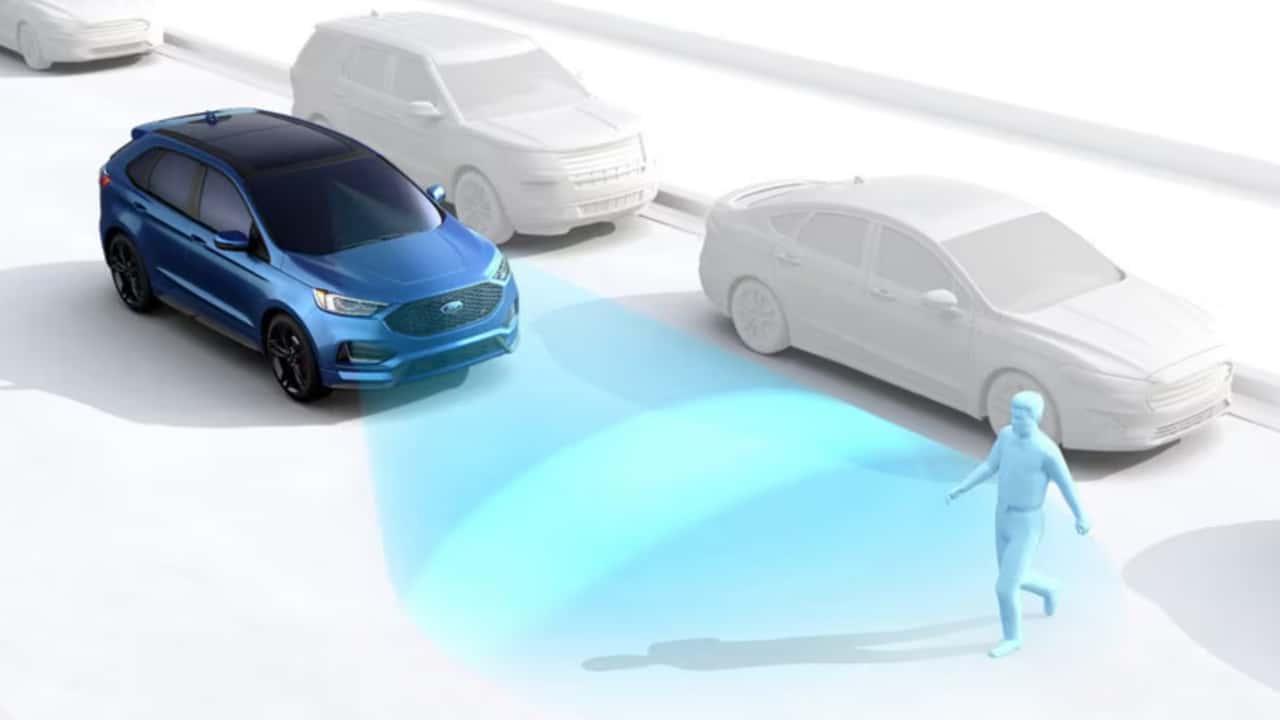
Automatic emergency braking systems act as a vigilant co-pilot, employing a sophisticated suite of sensors and intelligent algorithms to anticipate and avert potential collisions. At its core, the system relies on a combination of forward-facing cameras and radar, meticulously scanning the road ahead for obstacles. These sensors work in tandem, with cameras identifying objects and their type (like other vehicles, pedestrians, or cyclists), while radar provides crucial data on distance and relative speed. This raw sensor data is then fed into a powerful onboard computer that runs complex algorithms. These algorithms are trained on vast datasets of driving scenarios, allowing them to recognize dangerous situations in real-time. They constantly analyze the gap between your vehicle and the object ahead, calculating the probability of a collision. If the system determines that a crash is imminent and the driver has not taken sufficient action (like braking or steering), it will first issue a warning, often a visual alert on the dashboard or an audible chime. If the driver still fails to react, the system will automatically apply the brakes with increasing force, aiming to either prevent the collision entirely or significantly reduce its severity.
Adapted from: Motor1.com - Articles