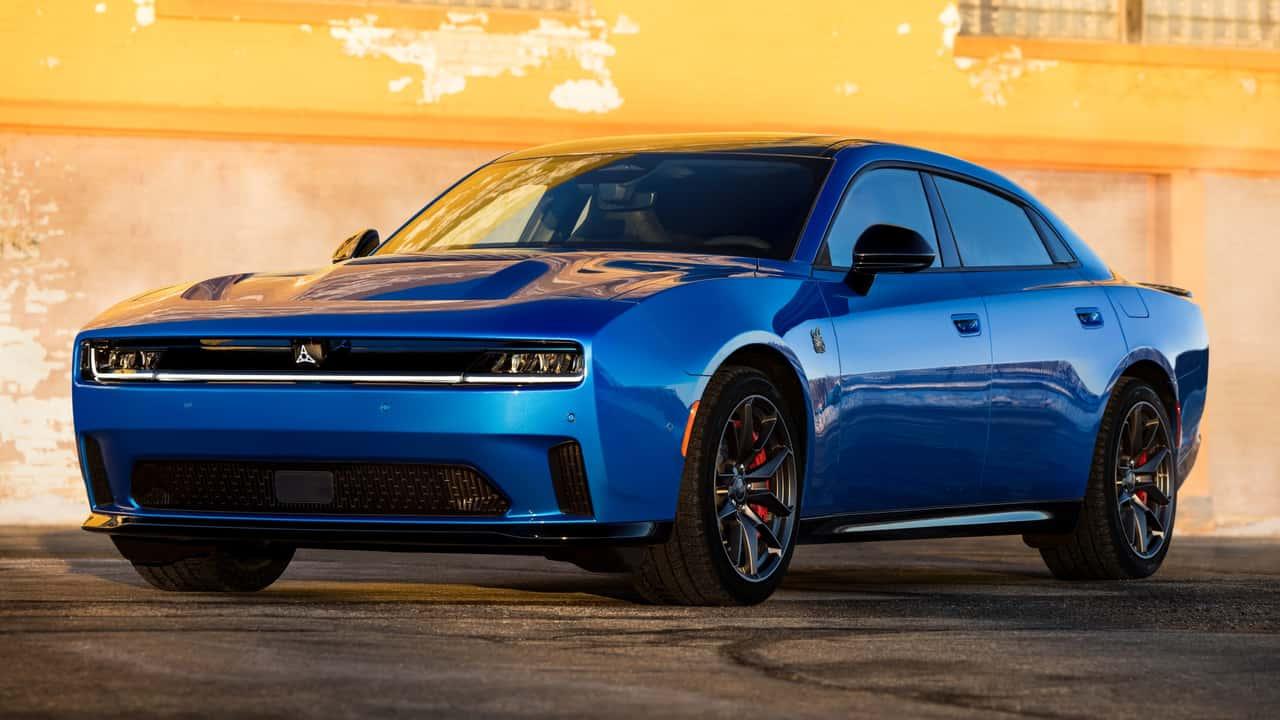











Remember those massive, black rubber bumper strips that once adorned cars? They weren’t merely a quirky design choice from a bygone era; they represented a fundamental shift in automotive safety, designed to absorb impacts from minor fender-benders that would today result in significant damage and costly repairs. In an age before airbags and sophisticated crumple zones, these robust bumpers were the primary defense against low-speed collisions, offering a tangible layer of protection that has largely disappeared from modern vehicles. Their decline mirrors the evolution of crash safety technology, moving from brute force absorption to more engineered, energy-dissipating structures. This transformation, driven by evolving safety standards, changing aesthetic preferences, and the pursuit of lighter, more aerodynamic vehicles, has left many wondering about the practical benefits and eventual obsolescence of these once-ubiquitous automotive features. The story of the disappearing rubber bumper is a fascinating glimpse into the continuous innovation and adaptation of the automotive industry, forever striving to balance safety, style, and functionality.
Adapted from: Motor1.com - Articles