









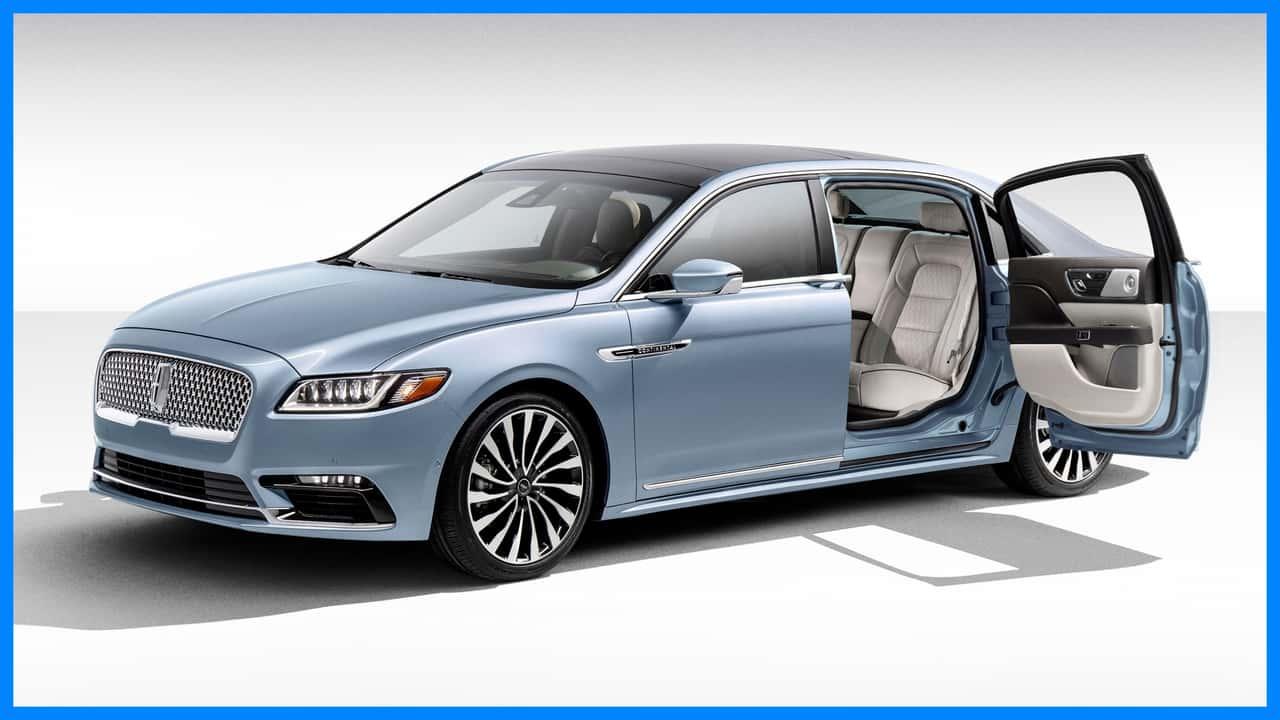
Once a symbol of automotive luxury and distinctive design, rear-hinged doors, colloquially known as ‘suicide doors,’ are now a relic of the past for most mainstream vehicles. These doors, which open from the rear of the car, offered unparalleled ease of entry and a unique aesthetic that captivated drivers for decades. Their prevalence in the early to mid-20th century, particularly on models from manufacturers like Rolls-Royce, Lincoln, and even some Ford and GM offerings, stemmed from practical considerations as much as style. For families, they provided a safer and more convenient way to secure children in car seats or assist elderly passengers. The wider opening made it easier to load and unload cargo and offered a more dramatic entrance for drivers and passengers. However, as automotive safety standards evolved and crash test regulations became more stringent, the inherent challenges of suicide doors became apparent. The lack of a B-pillar, a structural pillar between the front and rear doors that suicide doors often eliminate or position differently, compromises the vehicle’s structural integrity in a side-impact collision. Furthermore, the mechanism for opening and closing these doors, especially when a vehicle is in motion, presented significant safety risks, hence the ‘suicide’ moniker. Automakers also grappled with the complexity and cost of engineering these doors to meet modern safety demands, including advanced airbag systems and robust door-latching mechanisms. The shift towards unibody construction and advanced safety cages further rendered the traditional suicide door design impractical and expensive to implement while meeting current safety benchmarks. While they occasionally reappear on ultra-luxury concept cars or custom builds as a nod to their glamorous past, the era of the common suicide door has definitively closed, replaced by the safer, more standardized, and cost-effective front-hinged configuration.
Adapted from: Motor1.com - Articles