







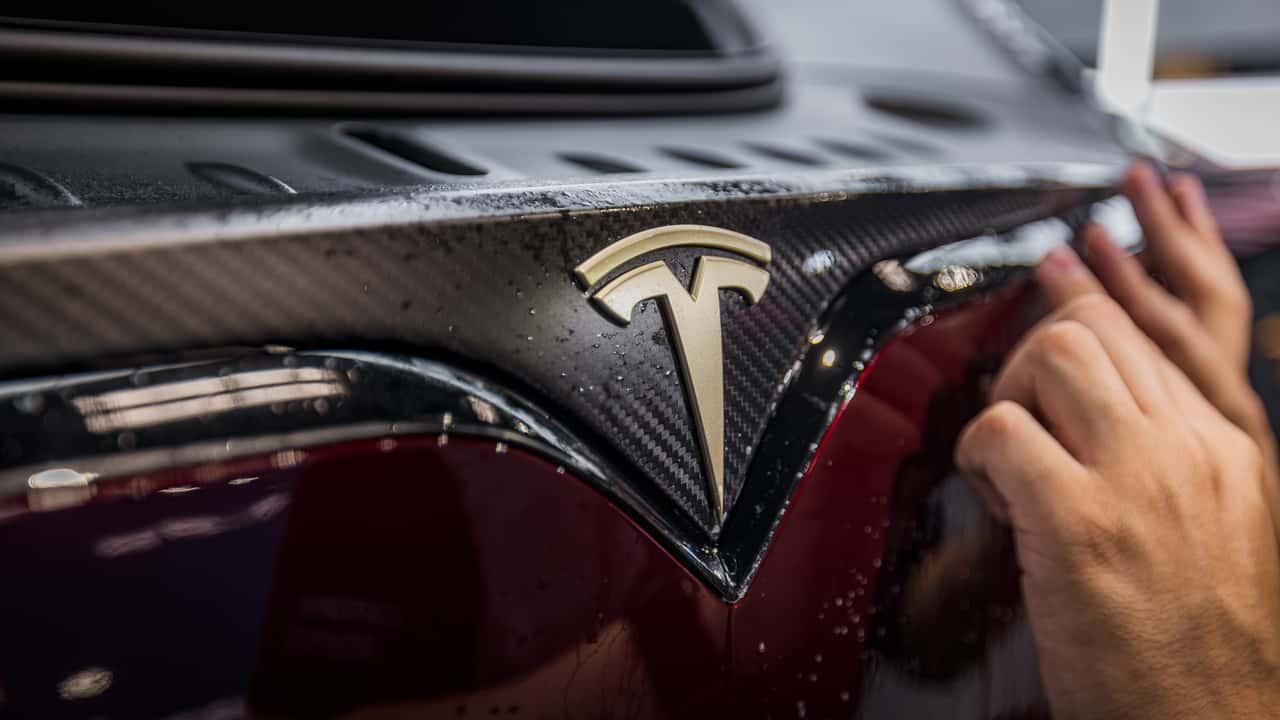
For thousands of dollars, you can get an invisible film applied to your car that promises to ward off stone chips and scratches. But is this high-cost, high-tech shield truly worth the investment? Paint Protection Film (PPF) is a clear urethane material, often compared to a screen protector for your phone, but on a much larger and more durable scale. It’s meticulously applied to the most vulnerable surfaces of your vehicle – typically the front bumper, hood, fenders, and mirrors, though full car coverage is also an option. The primary allure of PPF is its ability to absorb the impact of road debris like gravel, small stones, and even errant shopping cart impacts, preventing them from ever reaching and damaging your car’s paintwork. Beyond physical impacts, it also guards against minor abrasions, bug splatter, bird droppings, and UV damage, all of which can degrade your car’s finish over time. The cost, however, is significant, often ranging from $500 for partial applications to well over $5,000 for a full vehicle wrap, with professional installation being key to a flawless, long-lasting finish. This begs the crucial question: does the peace of mind and long-term preservation of your vehicle’s aesthetic and resale value justify the substantial upfront expense?
Adapted from: Motor1.com - Articles