









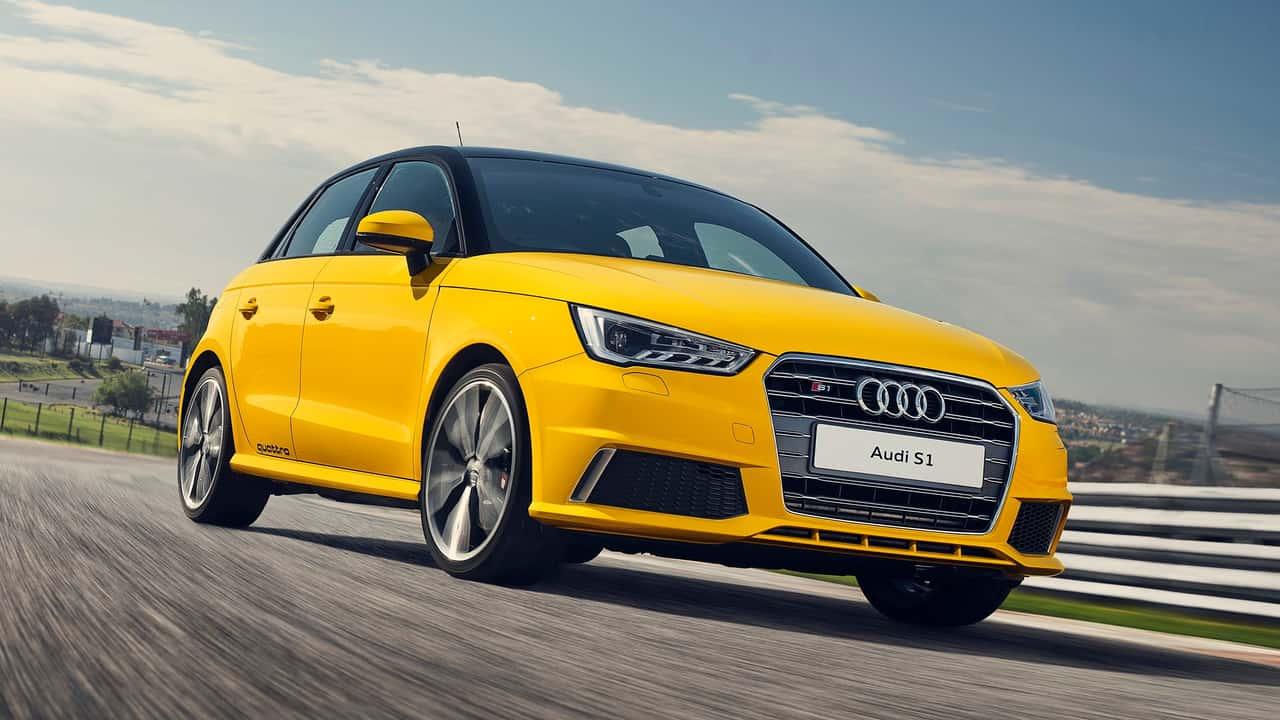
America’s love affair with the automobile once included a thriving market for compact and subcompact cars, a stark contrast to today’s landscape dominated by hulking SUVs and pickup trucks. The question isn’t just why we have fewer small cars, but what seismic shifts in consumer preference, manufacturing economics, and even fuel prices led to their near extinction on American roads. Early in the automotive age, smaller, more fuel-efficient vehicles were the norm, driven by necessity and a different set of priorities. However, a confluence of factors, including fluctuating gas prices, evolving safety regulations that favored larger vehicles, and aggressive marketing campaigns by manufacturers pushing larger, more profitable models, gradually eroded the small car’s market share. The rise of the SUV, initially marketed as a more versatile and rugged alternative, eventually became the default choice for many families, offering perceived safety and utility that small cars struggled to match. This strategic pivot by automakers, coupled with a consumer culture that increasingly valued size and perceived status over pure efficiency, effectively sidelined the small car, transforming American roadways into a testament to the dominance of larger vehicles.
Adapted from: Motor1.com - Articles