









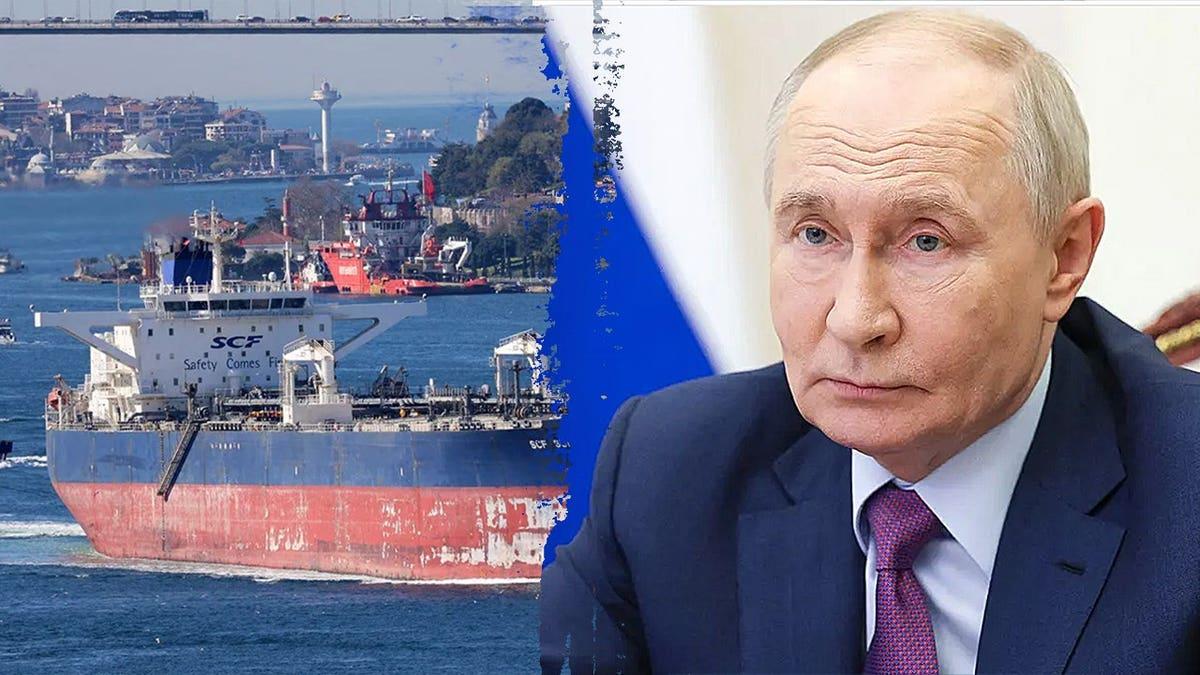
A proposed bill in Congress, dubbed the Senator Lindsey O. Graham Sanctioning Russia Act of 2026, is drawing sharp criticism for its potential to inflict severe economic damage on American families rather than effectively deterring Russian aggression. The legislation, which could represent the largest tax increase ever passed by a Republican Congress, threatens to impose a staggering 500 percent tariff on all U.S. trade with Russia and grants the President sweeping authority to levy up to 100 percent tariffs on goods from countries importing Russian oil and gas or facilitating sanctions evasion. This could ensnare major global economies like China and India, which are vital U.S. trade partners, and potentially impact allies such as Turkey, Brazil, and the European Union, leading to a significant disruption in the global economy and a sharp rise in prices for everyday American necessities. Critics argue that such tariffs are ultimately paid by American consumers, citing historical examples like the Smoot-Hawley tariffs which exacerbated the Great Depression, and warn that this bill could impose costs upwards of half a trillion dollars on the American populace. Furthermore, the bill introduces broad, potentially arbitrary sanctions authority and mechanisms that could lock in punitive measures indefinitely, with unclear implications for U.S. foreign relations and the potential to alienate key international partners and drive them closer to adversaries like China. Despite the punitive intent, the bill’s effectiveness against Russian President Vladimir Putin is questioned, given Russia’s extensive experience with sanctions and economic isolation, suggesting that the primary outcome will be economic self-harm for the United States.
Adapted from: Latest & Breaking News on Fox News