







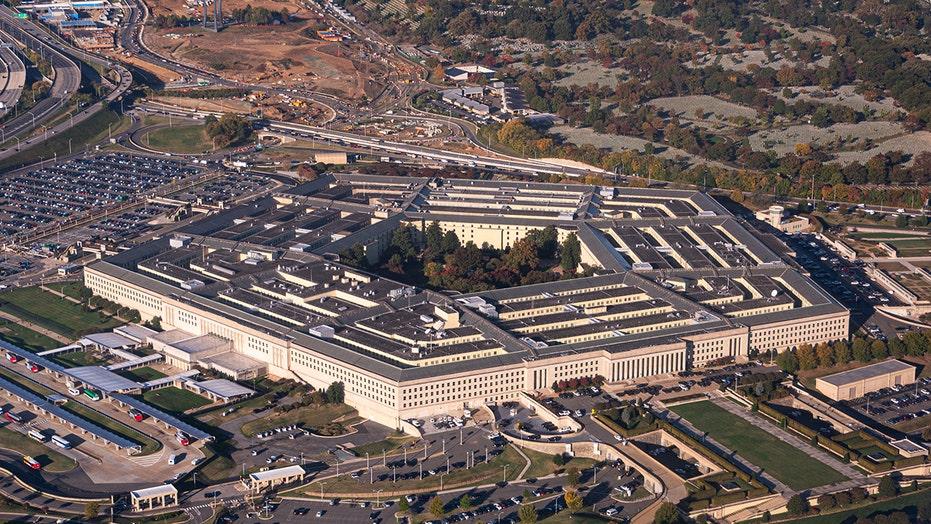
The Pentagon is facing a lawsuit from The Intercept and the Freedom of the Press Foundation over accusations of maintaining a secret “blacklist” of journalists and news outlets, an alleged tactic employed to suppress critical reporting. The legal action, filed in U.S. District Court, centers on an incident where The Intercept reporter Nick Turse was reportedly told by a U.S. Central Command (CENTCOM) public affairs official that he would be “put on a list of people to disregard” if he continued pursuing a story about Iran’s attacks on U.S. bases. This alleged directive came after repeated unanswered calls to CENTCOM, and the official confirmed the existence of such a list, though he refused to identify its members or acknowledge it was public. Turse later learned through an unnamed U.S. official that the Secretary of War’s office had a standing order not to engage with him. In response to these alleged actions, both Turse and the Freedom of the Press Foundation filed Freedom of Information Act requests seeking documents related to any such blacklist, but CENTCOM has reportedly failed to respond, leading to the lawsuit’s claims of unlawful withholding of agency records. Advocates argue that such blacklisting tactics are “fundamentally un-American” and could be used to silence any outlet, regardless of political leaning, thereby hindering the public’s right to know about government operations and expenditures, particularly concerning military actions and their true costs. While CENTCOM has denied the existence of a blacklist and characterized Turse’s account as a misrepresentation, the lawsuit seeks to compel the Pentagon to release information and cease alleged efforts to obstruct journalistic inquiry.
Adapted from: Latest & Breaking News on Fox News