









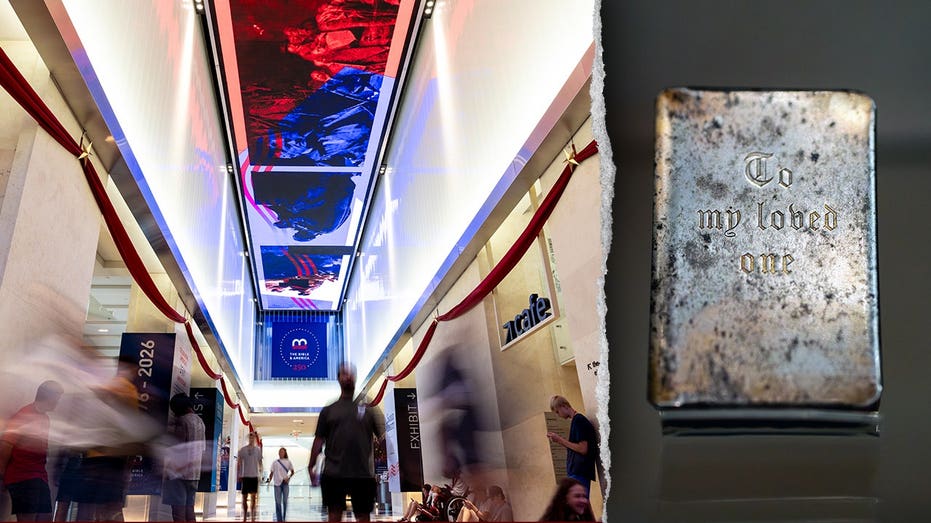
The Museum of the Bible’s “Bible in Times of War” exhibit unveils a profound collection of personal artifacts, revealing how American service members and their families have turned to Scripture for solace and strength across generations of conflict. Among the most striking items are the “Heart Shield Bibles” from World War II and the Korean War, pocket-sized volumes with thin metal covers often carried over the heart, believed by some to offer symbolic protection. While their ability to stop bullets is largely myth, these Bibles represented a tangible source of hope and a constant connection to loved ones, often bearing heartfelt inscriptions like “To my dear boy, may God keep you safe” or simple messages of prayer. The exhibit also features the battered Bible of Union soldier John Weissenheimer, whose inscription places him in Washington D.C. during the Civil War, demonstrating how such personal items can resurrect forgotten individuals from historical obscurity. Further expanding the scope, a Bible carried by Navy Chaplain Peter Boal during Operation Deep Freeze in Antarctica in the 1950s illustrates the enduring role of faith even in the most remote and uncertain frontiers. Even a legendary 1776 German-language “Gun-Wad Bible,” though its stories are likely embellished, highlights the deep reverence for scripture during the nation’s founding. These artifacts, from the battlefields of Gettysburg to the icy plains of Antarctica, collectively underscore a universal human need for spiritual grounding, showcasing how handwritten notes and personal records within these worn Bibles offer intimate glimpses into the prayers, hopes, and anxieties of ordinary Americans facing extraordinary circumstances.
Adapted from: Travel News Today on Fox News