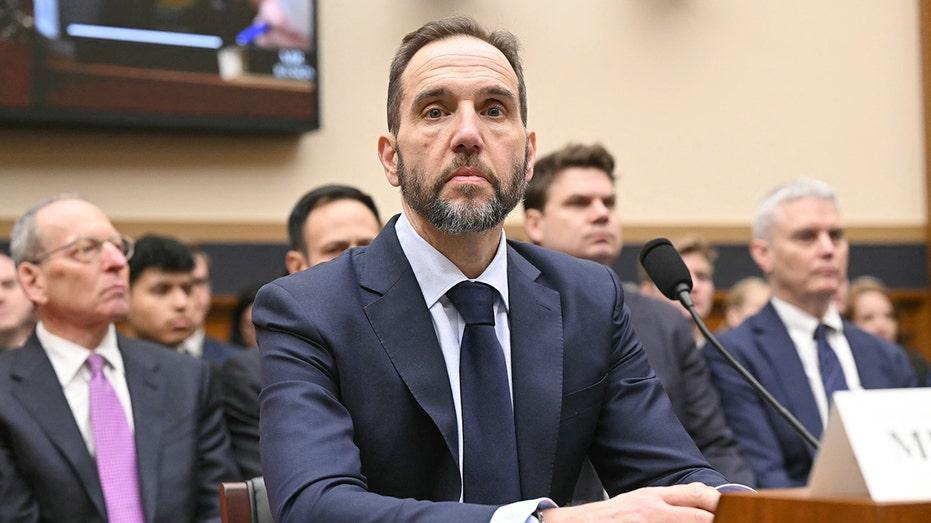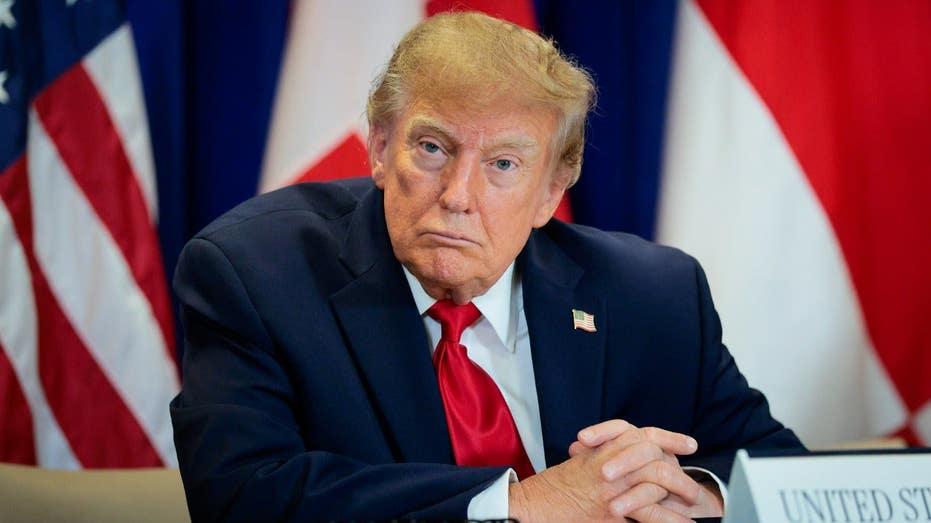











The Department of Homeland Security (DHS) is locked in a critical Supreme Court battle over its controversial third-country deportation policy, a strategy its top lawyer, James Percival, is publicly defending as a necessary revival of dormant immigration authorities. Percival argues that when a deportable alien cannot be returned to their home country, or that country refuses repatriation, DHS faces a stark dilemma: either find a third country willing to accept the individual or release them back into American communities. He illustrated the gravity of this choice with a chilling hypothetical: ‘If the person is a child rapist and serves 20 years, we have two choices: Find a third country — or let the child rapist go live in an American community.’ This policy, rooted in a 1996 immigration reform act, has drawn fire from human rights advocates concerned about deportees’ welfare in receiving nations, such as Equatorial Guinea, which reportedly received $7.5 million from the U.S. as part of such agreements. However, Percival contends that the statute expressly allows these actions, lamenting that many administrations treat such potent tools like ‘fine china,’ too afraid to use them. He is actively using his ‘Daily Deportee’ series on X to highlight cases of convicted criminals whose home countries refuse to take them back, aiming to shape public understanding of the high stakes involved, while also reminding potential deportees that voluntary return with a $3,000 stipend remains an option.
Adapted from: Latest Political News on Fox News