









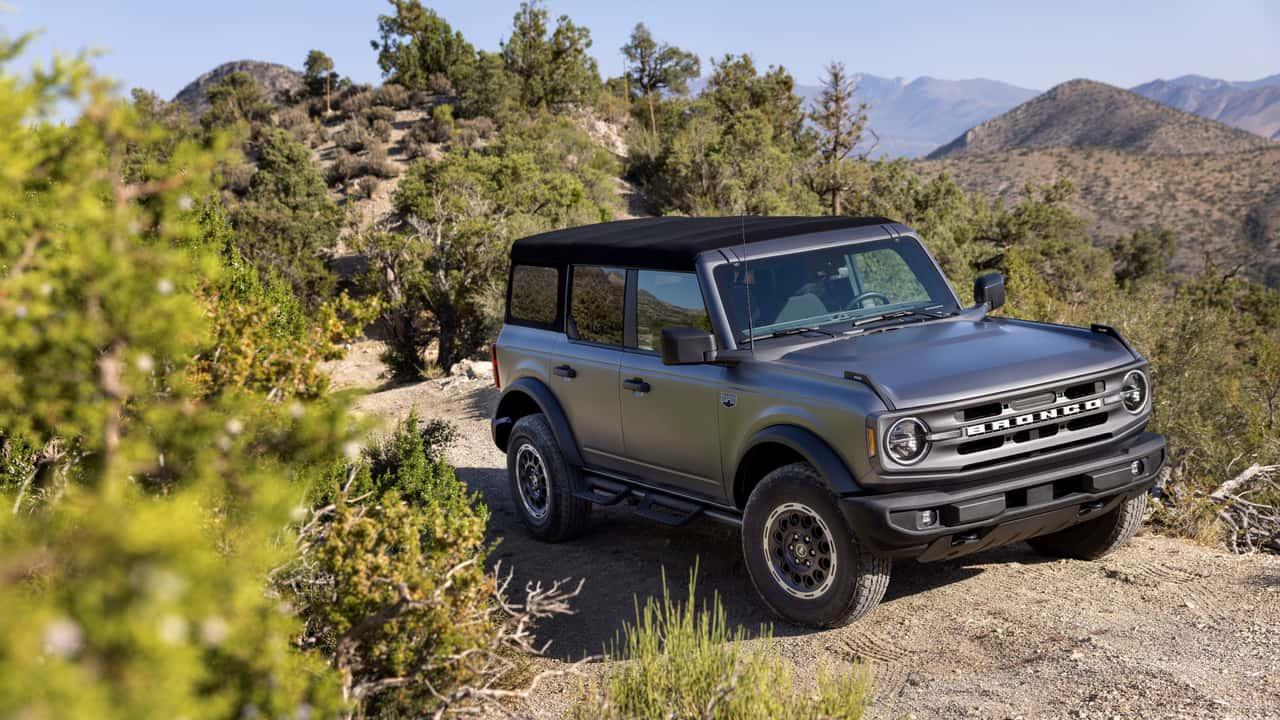
Despite the rise of unibody construction, the enduring appeal of body-on-frame (BOF) chassis for serious off-road enthusiasts remains undeniable, a principle championed by iconic vehicles like the Toyota Land Cruiser and the Ford Bronco. This traditional truck-based architecture, where the body is mounted onto a separate, robust ladder frame, offers distinct advantages crucial for tackling challenging terrain. The inherent toughness of the frame provides exceptional durability and resistance to twisting forces encountered during extreme articulation, rock crawling, or high-speed desert running. Furthermore, BOF vehicles generally offer greater payload and towing capacities, making them more versatile for expeditions requiring heavy gear or trailers. The separation of the body from the frame also simplifies repairs and modifications; damaged frame components can often be straightened or replaced, and suspension or drivetrain upgrades are generally more straightforward to implement compared to their unibody counterparts. While unibody designs excel in on-road comfort, fuel efficiency, and weight savings, they often compromise on the brute strength and repairability that off-roaders prioritize. This fundamental difference in construction philosophy is why, for those who push the limits of their vehicles beyond paved roads, the rugged, reliable, and repairable nature of body-on-frame construction continues to be the gold standard.
Adapted from: Motor1.com - Articles