







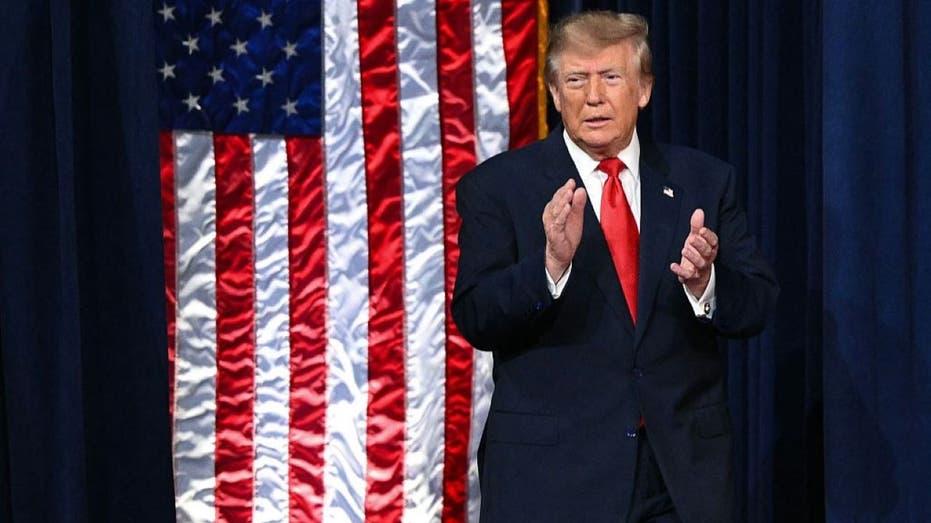
As the midterm elections enter their final sprint, a notable shift is occurring among Battleground Republicans: an increasing number are publicly distancing themselves from former President Donald Trump on critical policy issues. This strategic divergence, described by veteran GOP strategist Doug Heye as unsurprising in midterms when presidents are unpopular, aims to mitigate political headwinds and appeal to a broader electorate. Representatives like Jen Kiggans (R-Va.) and Mike Lawler (R-N.Y.) are actively featuring their conflicts with Trump in campaign advertisements, with Kiggans highlighting her bipartisan work and opposition to Trump on offshore wind, while Lawler has embraced Trump’s past criticism of him as a “pain in the a–” to underscore his willingness to challenge the party line. This tactic reflects a delicate balancing act, attempting to retain the support of the Republican base while simultaneously courting independent voters who may be wary of Trump’s influence. Other Republicans, such as Senators John Husted (R-Ohio) and former Representative Mike Rogers (R-Mich.), have also taken stances contrary to Trump’s, notably calling for an end to the war in Iran and diverging on the issue of data centers, where Trump favors expansion and many Republicans see local control and environmental concerns as paramount. Vulnerable lawmakers like Representative Tom Barrett (R-Mich.) echo this sentiment on data centers, advocating for local decision-making, and have also broken with Trump by voting against U.S. operations in Iran without congressional approval. Further illustrating this trend, Representatives Marianette Miller-Meeks (R-Iowa) and Zach Nunn (R-Iowa) have opposed Trump’s plan to import foreign beef, with Nunn introducing legislation to suspend the plan and promote domestic cattle numbers. Some candidates, like Representative Tom Kean (R-N.J.), have opted to omit any mention of Trump from their campaign websites altogether, emphasizing their role as independent leaders focused on their state’s specific needs. Despite these visible breaks, the Republican National Committee maintains that the party is united behind Trump’s agenda, while a White House official asserted that Trump remains the “unequivocal leader” of the party, suggesting that these individual candidate strategies do not reflect a broader fracturing of Trump’s influence.
Adapted from: Latest Political News on Fox News