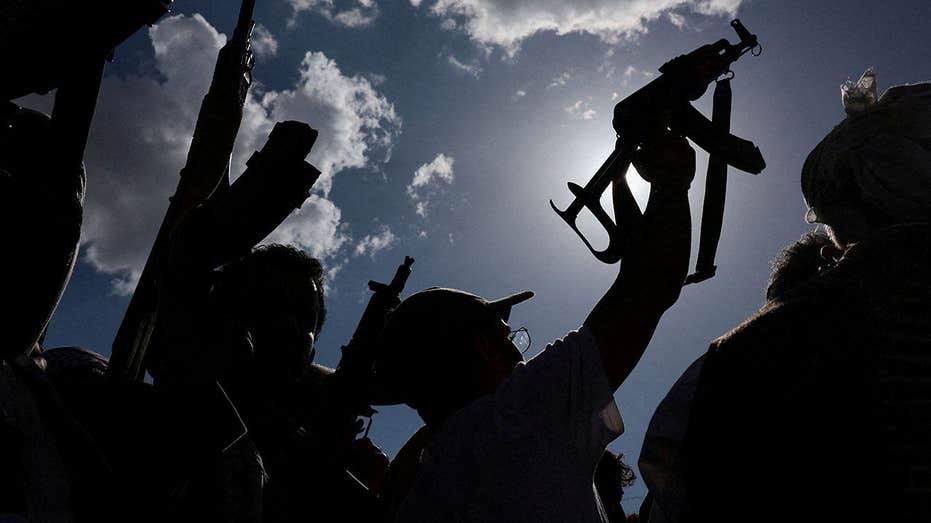










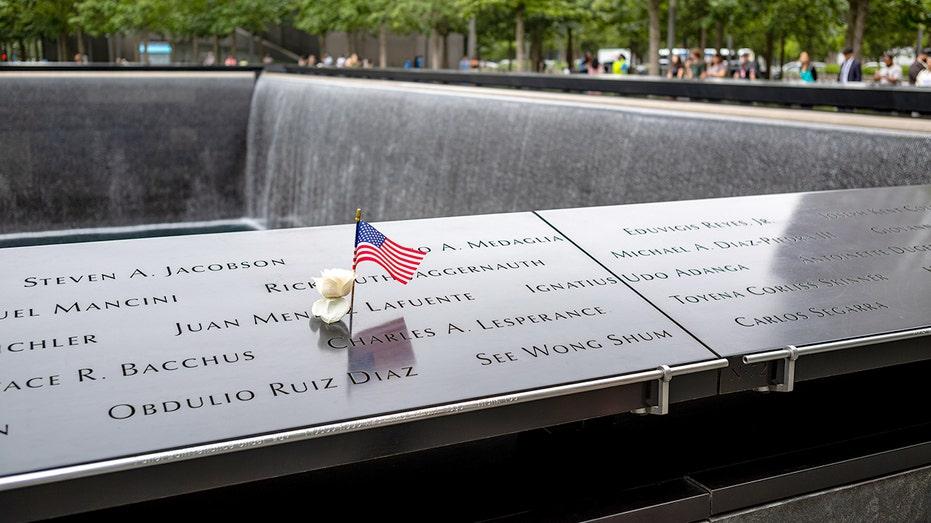
Twenty-five years after the devastating attacks of September 11, 2001, America’s national security architecture, born from an unprecedented era of fear and a dramatic overhaul of intelligence and defense, has largely succeeded in preventing another large-scale terrorist assault on U.S. soil. The creation of the Department of Homeland Security, the TSA, enhanced surveillance, and robust intelligence-sharing mechanisms have significantly degraded groups like al-Qaeda and ISIS, making complex, coordinated attacks akin to 9/11 far more difficult to execute. However, this success has inadvertently reshaped the threat landscape, shifting the danger from meticulously planned, externally directed operations to a more diffuse, insidious challenge. Today, the most pressing threats often involve individuals radicalized online, operating as lone actors or in small, virtually undetectable cells, inspired by foreign terrorist organizations but not directly controlled by them. Furthermore, the rise of cyber warfare and state-sponsored digital threats presents a new frontier, capable of penetrating American defenses without the need for hijacked airplanes. This evolution means that while Americans are arguably safer from a repeat of the 9/11 attacks, they are increasingly vulnerable to different, harder-to-predict forms of aggression, including cyberattacks that could cripple critical infrastructure and attacks orchestrated by individuals who may not trigger traditional security watchlists until it is too late. The immense resources poured into preventing the past threat have, in some critiques, created a bureaucracy that may be ill-equipped to detect and counter these emerging, less visible dangers, raising the critical question of whether the fortress built to defend against the 9/11 threat can adapt to a danger that hides in plain sight.
Adapted from: Latest World News on Fox News