









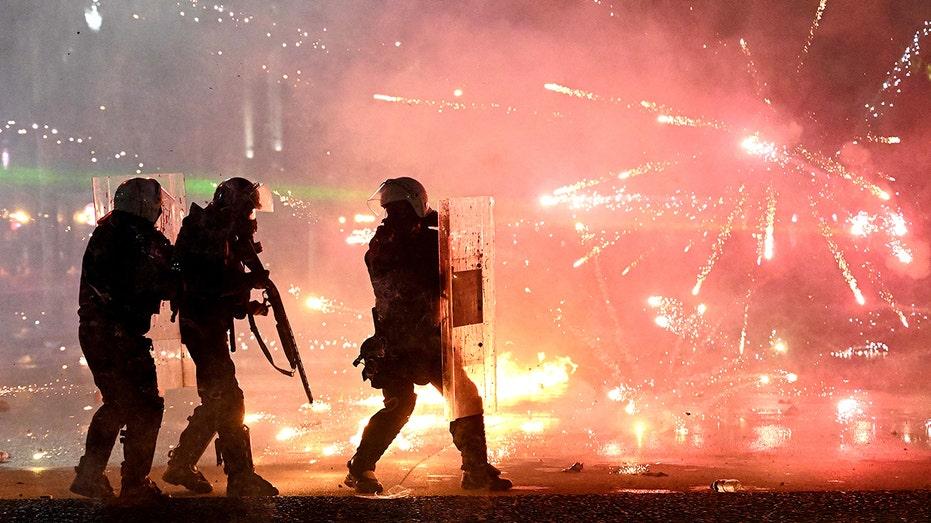
U.S. lawmakers are expressing grave concern over escalating violence in Albania, a NATO ally, as anti-government protests turn increasingly confrontational, with clashes between demonstrators and police now in their sixth consecutive day. Representatives Joe Wilson, Robert Aderholt, and Keith Self have taken to social media to voice their disquiet, emphasizing the Albanian people’s right to freedom, rule of law, and institutional accountability, while urging the government to cease violence against protesters and ensure young people have a voice in their nation’s future. The protests, fueled by widespread distrust in politicians, alleged government corruption, inadequate education, unemployment, and a lack of opportunity, have seen tens of thousands take to the streets demanding accountability, an end to corruption, and the restoration of democratic institutions. While the U.S. Embassy in Albania has called for peaceful protest and restraint from all sides, demonstrations, particularly student-led ones in the capital, Tirana, have become violent, with protesters reportedly hurling rocks, burning buildings, and damaging property, met by a heavy police response including rubber bullets, water cannons, and tear gas. Prime Minister Edi Rama has framed the unrest as a threat to Albania’s European Union aspirations, even attributing the violence to “foreign hands” and groups like ANTIFA, a claim that former Albanian Ambassador to the U.S. and UN, Agim Nesho, argues dismisses the specific political grievances driving the protests and wrongly equates them with unrest elsewhere in Europe. The European Commission has condemned the violence, stating it must be met with a lawful and proportionate response, while also acknowledging Albania’s progress toward EU membership and stressing the need for constructive dialogue to address grievances. The ongoing turmoil, marked by allegations of corruption and now significant civil unrest, poses a substantial challenge to Albania’s EU accession path, which began in 2014.
Adapted from: Latest World News on Fox News