









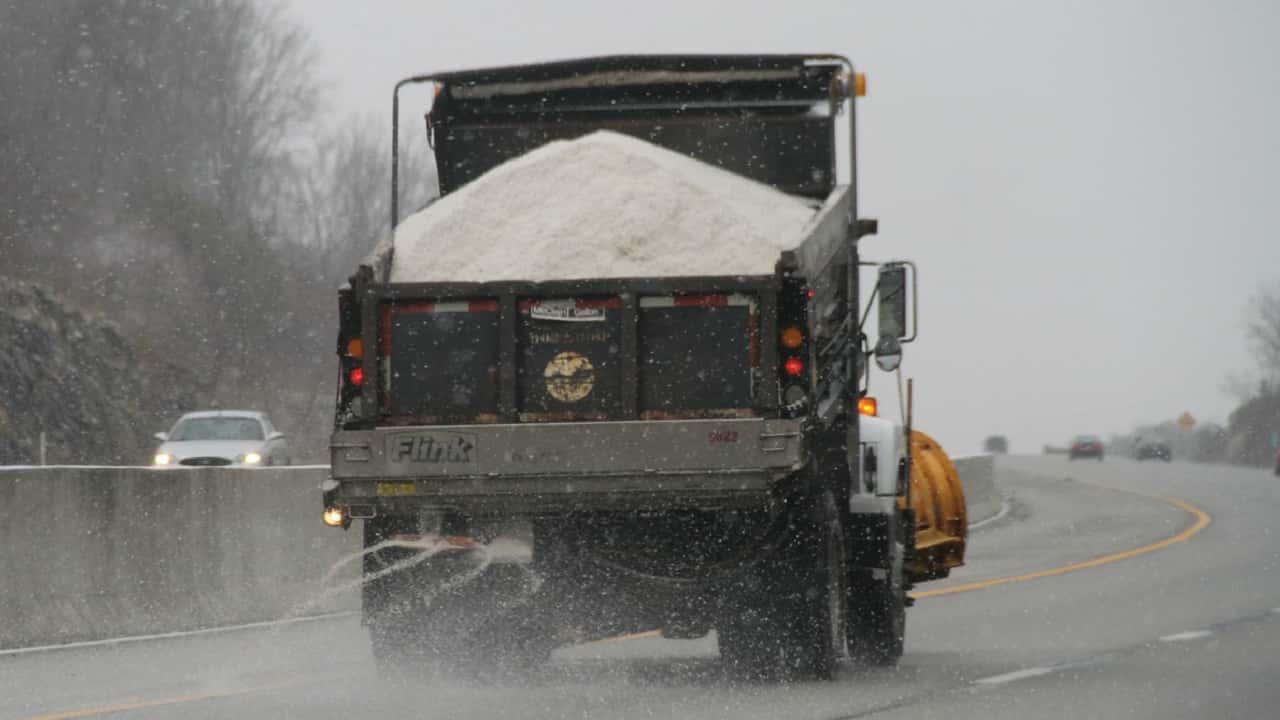
While essential for safe winter driving, the road salt used to de-ice our streets is a silent, corrosive saboteur to your vehicle’s pristine paintwork, initiating a relentless attack that leads to rust and irreparable damage. This seemingly innocuous white granular substance, typically sodium chloride, magnesium chloride, or calcium chloride, doesn’t just melt ice; it actively seeks out and adheres to your car’s metal surfaces. Once bonded, a complex electrochemical process begins. The salt acts as an electrolyte, significantly increasing the conductivity of water. When moisture from rain, snow, or even humidity comes into contact with the salt-laden metal, it creates a miniature battery. This electrochemical cell accelerates the oxidation of iron in the car’s steel, a process we commonly know as rust. This corrosion doesn’t just stay on the surface; it eats away at the metal from the inside out, compromising structural integrity and creating unsightly pitting and bubbling under the paint. The paint itself, designed to be a protective barrier, becomes a victim. Salt can degrade the clear coat, the outermost layer that shields the color coat and primer from UV rays and environmental contaminants. This degradation allows the corrosive salt particles to reach deeper layers, weakening the bond between the paint and the metal. Furthermore, the abrasive nature of salt crystals, combined with the constant cycle of freezing and thawing, can physically chip and scratch the paint, creating more entry points for moisture and salt. The result is a cascading effect of damage: exposed metal rusts, rust spreads, and the compromised paint begins to peel and flake, leaving your car vulnerable to further environmental assault and significantly diminishing its aesthetic appeal and resale value.
Adapted from: Motor1.com - Articles