









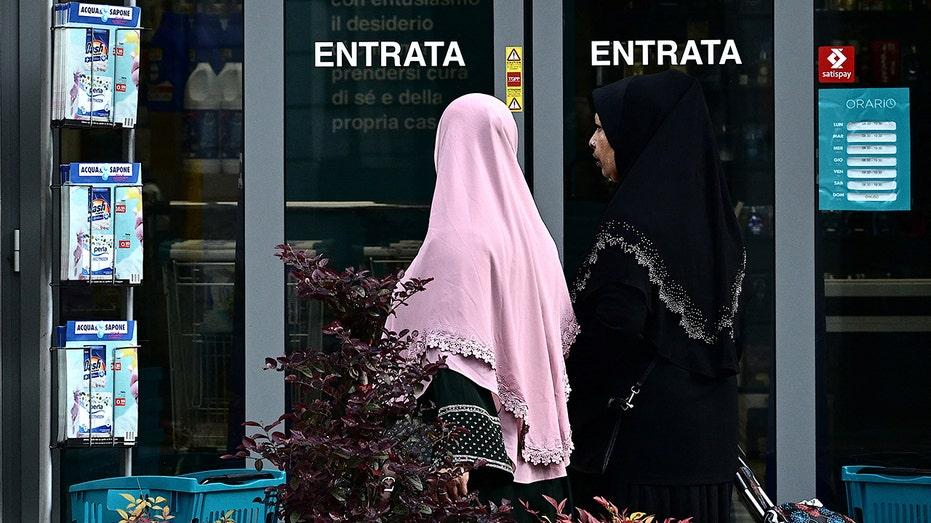
Italy’s new “Schools Decree,” set to take effect next summer, mandates that students cannot cover their faces in class, classrooms must not exceed 30% foreign-born pupils, and parents skipping mandatory Italian lessons face hefty fines, igniting a continent-wide debate on forced assimilation versus multiculturalism. Prime Minister Giorgia Meloni defends the decree as “common sense tools that do not divide, but truly help to integrate,” aiming to prevent “ghetto classes” and ensure equal opportunities. However, critics and experts like Nile Gardiner of The Heritage Foundation warn of escalating “Islamification” and the potential for similar cultural shifts to impact the U.S., citing a disturbing TikTok video of gender-segregated queues at a London market as evidence of encroaching parallel societies. While some, like Simone Rodan-Benzaquen of the Foundation for Defense of Democracies, agree that learning the national language and visible participation are reasonable expectations, she questions whether such measures address deeper societal issues or merely target surface symptoms. This Italian move mirrors broader European trends, with nations like Denmark, France, Germany, and the Netherlands implementing increasingly stringent integration rules, leading political scientist Daniel Schatz to note a growing divide between those who believe a state can set firm conditions for national community membership and those fearing discrimination. The underlying fear across Europe is the rise of “parallel societies” where newcomers live in isolation, a phenomenon previously warned about by U.K. official Trevor Phillips, who described multicultural Britain as “sleepwalking into segregation.” Experts like Sara Wallace Goodman of UC Irvine highlight Denmark’s unique position, where its generous welfare state necessitates strict immigration controls to maintain entitlements, allowing center-left governments to “look tough on immigration” and preempt right-wing opposition. The debate intensifies as Gardiner points to a “red-green alliance” of socialists, greens, and Islamists collaborating in cities like Paris, London, and Berlin, fueling unrest. While France’s model of restricting religious symbols in schools aims for assimilation and a shared educational space, Rodan-Benzaquen cautions that coercive measures alone are insufficient, emphasizing the need to address the root causes of societal division and the potential for organized efforts to discourage integration. The core question remains: can Western democracies enforce assimilation without becoming oppressive, and are they equipped to transmit the very values they expect newcomers to embrace in an era of societal transformation and evolving national identities?
Adapted from: Latest World News on Fox News